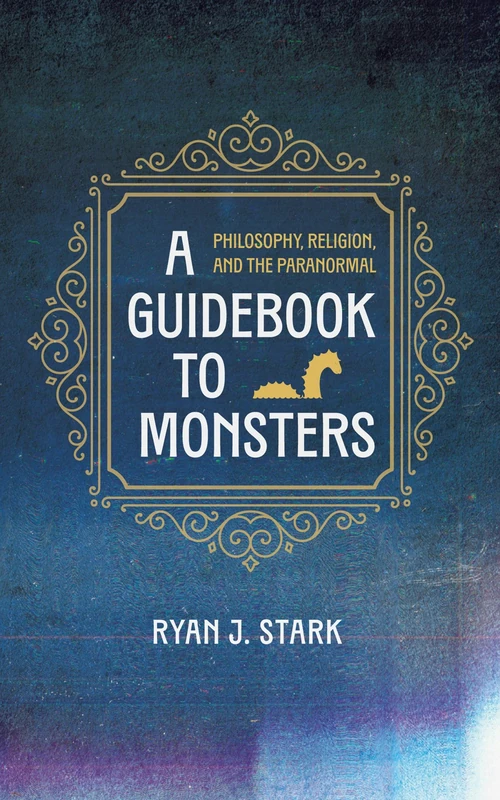
A Guidebook to Monsters
Philosophy, Religion, and the Paranormal
- Philosophy
- Publisher: Cascade Books (Wipf and Stock)
- Published: 2024
FritzSearch.com earns a commission on purchases made through Bookshop.org links.
Publisher's Description
Ryan J. Stark surveys the classic monsters in great literature and film, television, the Bible, and, perhaps unexpectedly, the world in which we live. Monsterdom is real, Stark observes, but often hidden beneath the concealment spell of modern secular thought. This guidebook aims to break that spell, and, if so, to confirm once more a world that brims with high strangeness, or what Christian philosophers have always called "reality." The book appeals to those who study the paranormal dimensions of religion and horror, broadly imagined. The clergy will also find it helpful, as will players of monster-riddled video games.
Endorsements (3)
“Informed by rich literary and cultural background as well as thoughtful readings of the texts, Ryan Stark’s A Guidebook to Monsters offers a tremendous amount of wisdom—especially regarding how to face the monsters of our world—that belies its enjoyable, lighthearted narrative voice. The book is well-written, refreshingly brief, and simultaneously both timely and timeless in its exploration.”
“A marvelous resource for anyone interested in the rich cultural heritage of our favorite monsters, from zombies, ghosts, and vampires to robots and aliens. The many biblical references are an added value for students of speculative fiction, popular culture, and horror genres in different media.”
“In this wise and witty study, Ryan Stark relies on his impressive knowledge of entertainment, high art, and Scripture to remind us of the formidable power of some familiar monsters. While our society tends to deny or otherwise minimize these malevolent creatures, Stark counsels that we take them seriously while disarming them with joy and humor, the two qualities which serve as the tone and tenor of this remarkably lively and brilliant work.”
See something wrong on this page? Report a problem