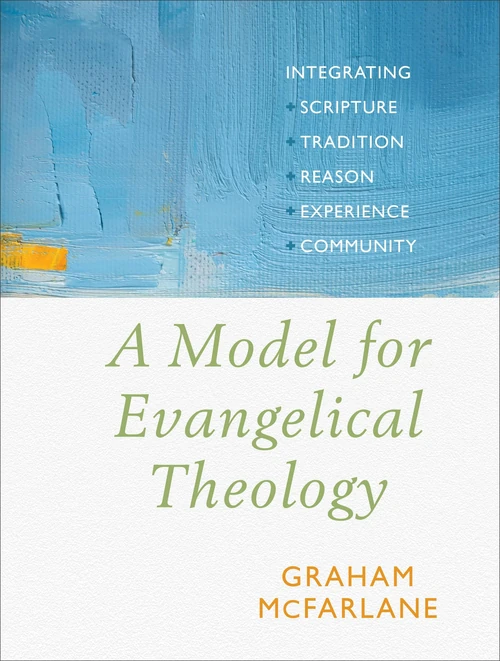
A Model for Evangelical Theology
- Theology
- Publisher: Baker Academic (Baker Publishing Group)
- Published: 2020
FritzSearch.com earns a commission on purchases made through Bookshop.org links.
Publisher's Description
Written by a skilled theologian with over two decades of classroom experience, this introduction to evangelical theology explains how connecting to five sources of Christian theology--Scripture, tradition, reason, experience, and community--leads to a richer and deeper understanding of the faith. Graham McFarlane calls this the "evangelical quintilateral," which he recommends as a helpful rubric for teaching theology. This integrative model introduces students to the sources, themes, tasks, and goals of evangelical theology, making the book ideal for introductory theology courses.
Endorsements (5)
“Like the wise steward in Jesus’s parable, Graham McFarlane brings out of the storehouse things old and new. A Model for Evangelical Theology presents the best insights from a wealth of theological sources, creatively woven into a fresh presentation that is a manifesto for the theological endeavor and, more importantly, a celebration of the high vocation of the evangelical theologian. McFarlane rehabilitates the Wesleyan Quadrilateral as an Evangelical Quintilateral, adding community to Scripture, tradition, reason, and experience, arguably bringing out what Wesley himself emphasized: that theology is only possible in the presence of God and of all others with whom we are formed and transformed. This is innovation on the theological tradition at its energizing best.”
“A preoccupation with theological method has been described as clearing one’s throat. If that is true, Graham McFarlane has accomplished this so well that those who read this book will speak with a more profound theological voice. McFarlane provides us with a truly evangelical prolegomena that goes further and deeper than anything that has been published, unpacking five dimensions of the theological enterprise in the company of a wide range of practitioners. He dissects, clarifies, and exemplifies the process of theological thinking that will assist us in remaining true to the Word and relevant to the human situation.”
“At a time when the word ‘evangelical’ is increasingly misunderstood or politicized, McFarlane’s comprehensive and systematic account of an evangelical theological method is a breath of fresh air. His writing is clearly the product of decades of teaching theology, allowing curiosity and questioning to shape his approach, engaging heart and mind in equal measure. McFarlane’s proposal of community as a fifth dimension to the method of evangelical theology places theology right where it should be—at the heart of the church, and as the calling not of the academic elite but of all who are baptized into the body of Christ. This book will not only deepen your understanding of the foundations of your faith but also increase your love for the God of the gospel and his mission in the world today.”
“McFarlane provides a much-needed critical-confessional model for evangelical theology revisited for the ecclesial realities of the twenty-first century. Thoughtfully engaging Albert Outler’s descriptive Wesleyan Quadrilateral of Scripture, tradition, reason, and experience, McFarlane offers a systematic consideration of theology that is almost abandoned or at least overlooked in evangelical discussions. I highly recommend this book for students and individuals seeking a model for theology that is robustly evangelical and relevant for theological engagement today.”
“Clear and accessible, this book serves evangelical students and church people alike. McFarlane guides readers to help them to form their theological commitments and articulation, and—while he draws on a range of thinkers—he never deviates from conclusions and discussions which are textured by evangelical theological commitments and emphases. This is a good introduction for any evangelical wishing to think more about the faith in which they so passionately believe: it opens up the vast horizons of theological wisdom which can be explored in praise and love of God for all eternity.”
See something wrong on this page? Report a problem