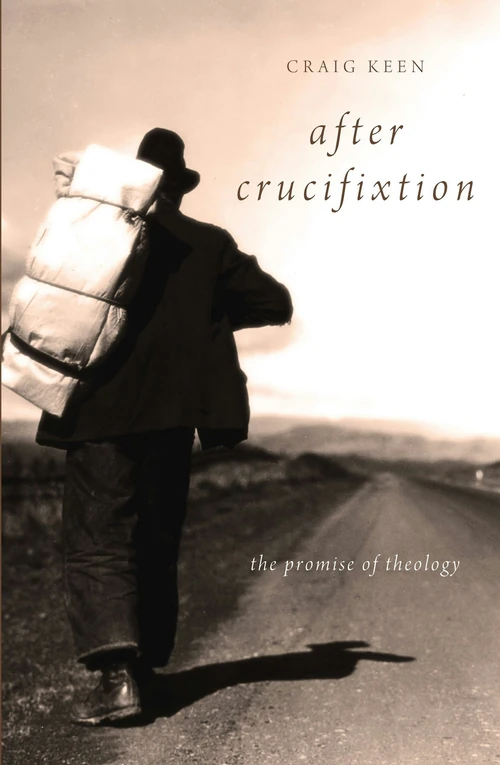
After Crucifixion
The Promise of Theology
- Theology
- Publisher: Cascade Books (Wipf and Stock)
- Published: 2013
FritzSearch.com earns a commission on purchases made through Bookshop.org links.
Publisher's Description
This is an extraordinary text. It addresses no small number of traditional theological concerns. However, it addresses them mindful of the earthiness of life. Thus this is also a book that is concerned to address questions of migration, brain physiology, emotional trauma, time, love, and death. It is written not to satisfy a bloodless lust for the resolution of puzzles. It is written with confidence that tangible bodies think. Thus there is an earthy quality to its writing, both in what it addresses and how it is addressed. The manner of After Crucifixion may be imagined as a moment in which in some unpretentious underground venue the deep, resonant percussions of subwoofers roll as a carnal wave across the chest and throat before they become the bass line in a conscious musical thought. After Crucifixion has been written for the ears, the chest, the throat, no less than for focused, deliberate, disciplined thought. But it is written in particular for bodies befriended by the Mystery of life and death--in the carnal event of the crucifixion/resurrection of the Galilean peasant Jesus, who unhands the fruit of the knowledge of good and evil and thus invites us to join him in prayer.
Endorsements (2)
“After Crucifixion is an earthy, disruptive, and wide-ranging theological reflection on bodies that have been united with the crucified and resurrected flesh of Christ. . . . Keen's thought is characterized by a remarkable discipline and freedom derived from prayerful openness to God's reign that arrives as a gift that can never be our property, but can only be given away.”
“Craig Keen has produced a poignant, prayerful, personal, passionate, poetic, and profound introduction to theology. . . . Ever erudite and eloquent, inventive, wide-ranging, and surprising, After Crucifixion draws us into theology's movements, catches us up in its sweep, luring us into the heady, heartfelt venture into mystery all around and within us that we call theology, that theology calls up.”
See something wrong on this page? Report a problem