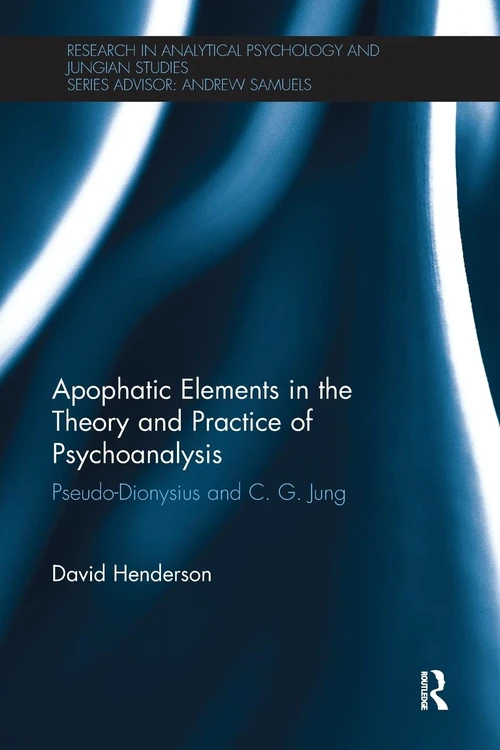
Apophatic Elements in the Theory and Practice of Psychoanalysis
Pseudo-Dionysius and C.G. Jung
- Publisher: Routledge
- Published: 2016
FritzSearch.com earns a commission on purchases made through Bookshop.org links.
Publisher's Description
How can the psychotherapist think about not knowing? Is psychoanalysis a contemplative practice? This book explores the possibility that there are resources in philosophy and theology which can help psychoanalysts and psychotherapists think more clearly about the unknown and the unknowable. The book applies the lens of apophasis to psychoanalysis, providing a detailed reading of apophasis in the work of Pseudo-Dionysius and exploring C.G. Jung's engagement with apophatic discourse. Pseudo-Dionysius brought together Greek and biblical currents of negative theology and the via negativa, and the psychology of Jung can be read as a continuation and extension of the apophatic tradition. Henderson discusses the concept of the transcendent function as an apophatic dynamic at the heart of Jung's thought, and suggests that apophasis can provide the key to understanding the family resemblance among the disparate schools of psychoanalysis. Chapters consider: -Jung’s discussion of opposites, including his reception of Nicholas of Cusa’s concept of the coincidence of opposites -Jung's engagement with Neoplatonism and Pseudo-Dionysius -the work of Jung in relation to Deleuze, Derrida and other writers -how motifs in Pseudo-Dionysius’ Ecclesiastical Hierarchy resonate with contemporary psychoanalytic psychotherapy. The in-depth examination of primary sources in this comprehensive volume provides a platform for research into apophasis in the wider field of psychoanalysis. It will prove valuable reading for scholars and analysts of Jungian psychology studying religion and mysticism.
Endorsements (3)
“I congratulate Henderson for a remarkable work of scholarship, and thank Routledge for making this available to a specialised audience”
“This original and learned book goes a long way to showing that Jungian psychoanalysis echoes the philosophical tradition of which Pseudo - Dionysius was a part.”
“Henderson's command of Jung's corpus is equally useful, and ranges throughout Jung's works with ease and careful attention to the illustration of the many ways in which Jung used sources from the tradition. As the dialogue with the tradition that Jung engaged in is more fully understood and unpacked, Henderson's work will serve as an essential resource.”
See something wrong on this page? Report a problem