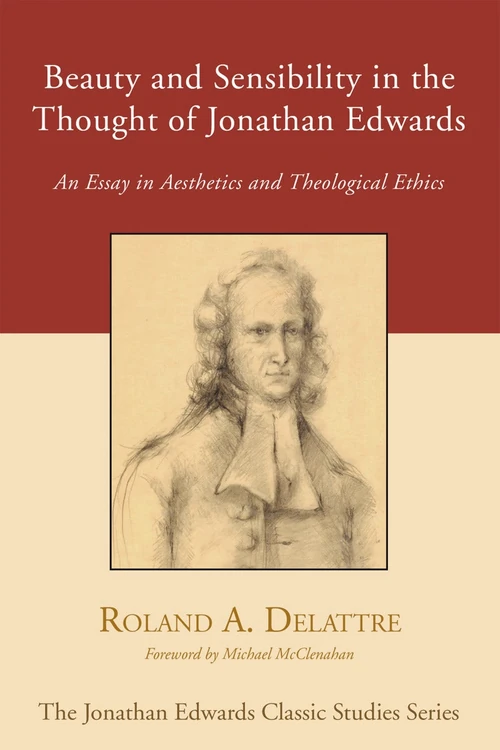
Beauty and Sensibility in the Thought of Jonathan Edwards
An Essay in Aesthetics and Theological Ethics
- Theology
- Philosophy
- Publisher: Wipf and Stock
- Published: 2006
FritzSearch.com earns a commission on purchases made through Bookshop.org links.
Publisher's Description
This illuminating analysis of Jonathan Edwards' philosophical-theological-ethical program focuses on his concept of beauty as our central clue to the nature of reality and the life of God. Delattre shows that beauty not only provides Edwards with a model for the manner of divine governance but operates throughout his thought as both the goal and means of redemption. Essential to his understanding of the operation of beauty as the law of moral order is Edwards' aesthetic/affectional model of the self, which corresponds to his aesthetic articulation of the system of being and good. Thus the distinguishing mark of Edwards' theology--his elevation to centrality of both the primary beauty of being's cordial consent to being and the secondary beauty of harmony and proportion--is shown to be the key to his interpretation of the dynamics of the moral and spiritual life.
Endorsements (3)
“Beauty is a central concept in Jonathan Edwards' thought, and Delattre's book is still the best treatment of the subject. It is, in fact, the only book that systematically and thoroughly analyzes the idea and relates it to the various aspects of Edwards' thought.”
“The thesis of Roland Delattre's book is that Beauty is fundamental to Edwards' understanding of "being," whether Divine or human. Delattre shows how an appreciation of Beauty is fundamental to Edwards' epistemology and to his awareness of the relationship between Nature and the Divine. The book is now a classic and has influenced many contemporary scholars, such as Marsden who wrote a recent biography of Jonathan Edwards. It belongs in every collection of Edwards scholarship and is one of the seminal works in the field.”
See something wrong on this page? Report a problem