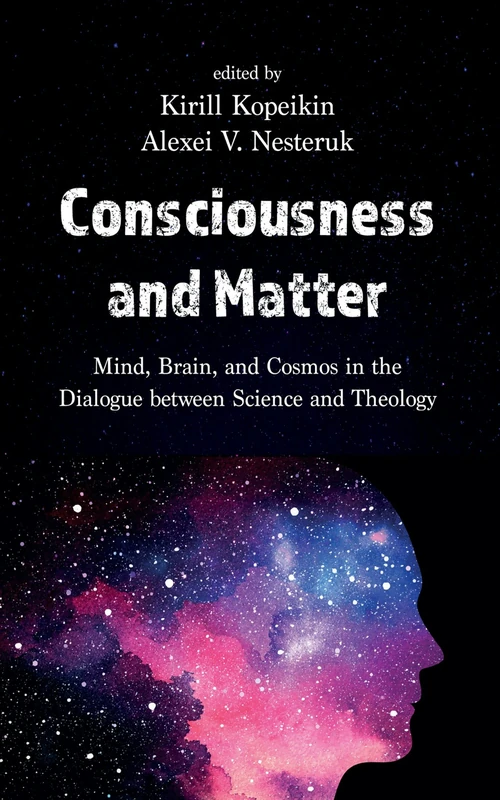
Consciousness and Matter
Mind, Brain, and Cosmos in the Dialogue between Science and Theology
- Science & Faith
- Publisher: Pickwick Publications (Wipf and Stock)
- Published: 2024
FritzSearch.com earns a commission on purchases made through Bookshop.org links.
Publisher's Description
This volume represents a collective effort to advance research on the perennial problem of matter and consciousness, body and mind. It contains contributions from the fields of philosophy, psychology, physiology, cosmology, and physics. However, its distinctive emphasis is on the key role of theology. The modern natural sciences historically arose as an attempt to read the second book of God--that is, the book of Nature. The contributors to this volume maintain that this orientation of early modern science was correct and that our contemporary understanding of matter and its link with the psychic world can only be plausibly advanced through an appeal to theology. Attempts to resolve the problem of consciousness without theological insights yield problematic reductions of mind to matter or vice versa. The authors maintain that a Christian theological understanding of creation and of humanity provides a framework for a more fruitful way forward in our interdisciplinary attempts to engage the issue.
Endorsements (2)
“This carefully introduced set of writings, the product of a collaborative project between scientists and theologians, provides intriguing new vistas on the mystery of the human condition. While mankind is but a very small component of creation, the Judeo-Christian tradition’s emphasis on man/woman made in the image of God allows for the possibility that he/she can also be the means by which the cosmos understands itself. From this insight exciting new lines of thought are set out for resolving the central paradox of consciousness and matter.”
“These papers are of key importance as they approach the problem of consciousness along a vital dimension that is mostly neglected in mainstream accounts. The naturalistic world picture is unraveled, and a deeper holistic vision of the human condition emerges in which the ‘hard problem’ is not solved, but rather reframed within the problem of existence itself. Any researcher in the field of consciousness would be wise to read these highly stimulating papers.”
See something wrong on this page? Report a problem