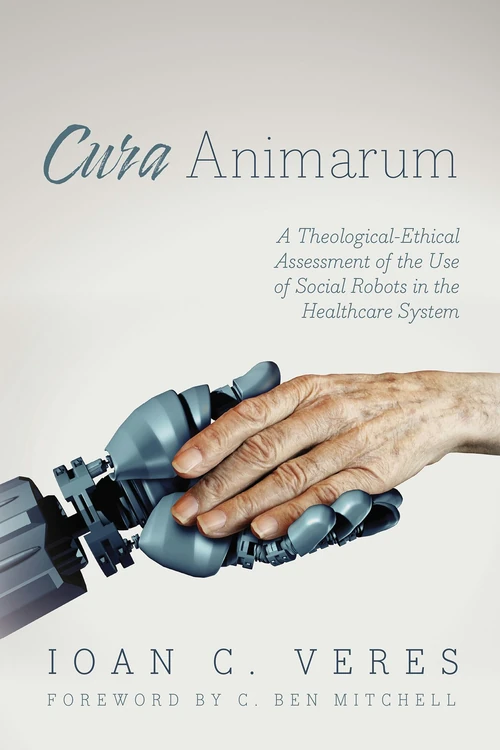
Cura Animarum
A Theological-Ethical Assessment of the Use of Social Robots in the Healthcare System
- Ethics, Culture & Social Issues
- Publisher: Wipf and Stock
- Published: 2025
FritzSearch.com earns a commission on purchases made through Bookshop.org links.
Publisher's Description
As artificial intelligence advances, healthcare faces a profound ethical question: Can machines truly care? This book critically examines the rise of AI-driven social robots--"carebots"--in patient care, evaluating their benefits and potential harms through the lens of Christian ethics. While AI may enhance efficiency and offer support in specific healthcare contexts, it also risks dehumanizing care, replacing genuine human presence with technological substitutes. Grounded in a theology of covenant care, this work builds its ethical argument around the biblical parable of the Good Samaritan, emphasizing the irreplaceable nature of human compassion. It presents theological and ethical criteria to guide the responsible use of AI in healthcare, ensuring that technology serves rather than supplants the dignity of human relationships. This book is essential reading for theologians, ethicists, healthcare professionals, and AI developers navigating the intersection of faith, ethics, and emerging technology. As healthcare increasingly integrates AI, Cura Animarum challenges readers to consider where technology supports human dignity and where it threatens to erode the essence of genuine care. Is AI merely a tool, or does it risk redefining what it means to care?
Endorsements (1)
Foreword
“Ioan Veres is at the cutting edge of thinking theologically about the use of carebots. In this volume he provides us with a helpful introduction to carebot technology, a framework for thinking about patients as persons, and insight into the helpful ways robots may be used in the hospital setting. At the same time, he warns that without thoughtful reflection and appropriate application, the use of robots in direct patient clinical care may violate the first principle of medical ethics, primum non nocere (first, do no harm).”
See something wrong on this page? Report a problem