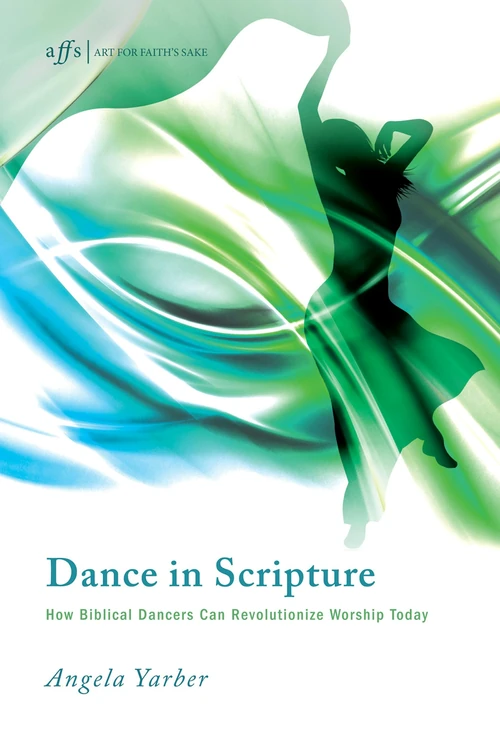
Dance in Scripture
How Biblical Dancers Can Revolutionize Worship Today
- Preaching & Worship
- Publisher: Cascade Books (Wipf and Stock)
- Published: 2013
FritzSearch.com earns a commission on purchases made through Bookshop.org links.
Publisher's Description
Dance in Scripture: How Biblical Dancers Can Revolutionize Worship Today examines the dances of seven biblical figures: Miriam, Jephthah's daughter, David, the Shulamite, Judith, Salome, and Jesus. Each figure offers a virtue that has the potential to revolutionize worship today. Yarber combines feminist and queer hermeneutics with dance history to highlight the nuances of the texts that often go unnoticed in biblical scholarship, while also celebrating the myriad ways the body can be affirmed in worship in creative, empowering, and subversive ways. Liberation, lamentation, abandon, passion, subversion, innocence, and community each contribute to the exciting ways embodied worship can be revolutionized. This is a book for those interested in biblical scholarship, dance, the arts, feminist and queer theory, or revolutionizing worship.
Endorsements (2)
“Angela Yarber has, for over a decade, studied the intersection of dance and worship by women in the Hebrew Bible. She thoughtfully and insightfully searches out the meanings and nuances of the Hebrew words used to narrate acts of worshipful dance and demonstrates that worship in the Hebrew Bible was active and embodied.”
“In this ground-breaking text, Angela Yarber connects seven of the central but oft-overlooked biblical narratives about dance with both the questions of gender and gender identity with dance history. The human body is ever forefront in her work as the site of gender, personhood, and presence yet always as revelatory of the meaning of the incarnation. Intermingling her scholarly studies with her pastoral acumen, she offers more than a 'feminist theories twist' to these biblical narratives by offering a practical and pragmatic guide for contemporary liturgy and for engaging her congregations in the depths of meaning in the Bible.”
See something wrong on this page? Report a problem