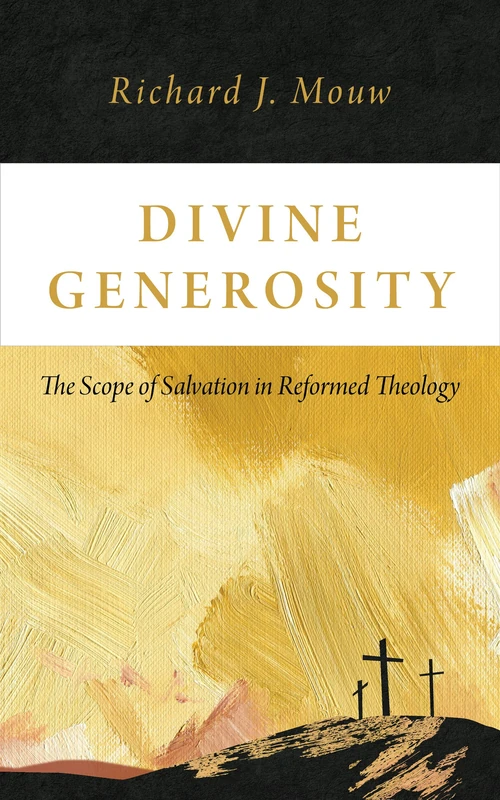
Divine Generosity
The Scope of Salvation in Reformed Theology
- Theology
- Publisher: Eerdmans
- Published: 2024
FritzSearch.com earns a commission on purchases made through Bookshop.org links.
Publisher's Description
A brief, accessible inquiry into the wideness of God’s mercy in Reformed theology How broad is the scope of salvation? To explore this topic, Richard J. Mouw draws on Scripture and a rich heritage of Calvinist theology. Mouw brings voices like the old Princeton theologians, Kuyper, and Bavinck into conversation with more recent voices such as David Engelsma on pertinent topics, including: The salvation of unbaptized infants God’s wrath and love for sinners Problems with universalism The number of the elect Learned yet approachable, Mouw explains how Christians can affirm God’s justice while holding hope for the wideness of his saving mercy. Congregations today face pressing questions about how to reconcile orthodoxy with empathy in increasingly pluralist neighborhoods and communities. For Reformed pastors, students, and interested laypeople, Divine Generosity serves as a biblically based, doctrinally sound guide.
Endorsements (3)
“Will there be few who are saved? Richard Mouw opens the reader’s eyes to a Calvinism guided by a spirit of generosity. Or more precisely, to a God whose sovereignty and electing grace consist in a breathtaking salvific generosity.”
“Here, as always, Mouw is thoughtful, gracious, and genuinely illuminating. He writes with an appealing reverence for God and respect for humanity. Warmly recommended!”
“Who shall be saved? How wide is the scope of God’s salvation? One of the world’s leading voices in Reformed philosophy, ethics, and public theology tackles a complex, urgent, and deeply personal question. With his unique combination of academic rigor and pastoral care, Richard Mouw invites readers to join him as he explores the surprising riches (and mysteries) of divine generosity in Reformed theology.”
See something wrong on this page? Report a problem