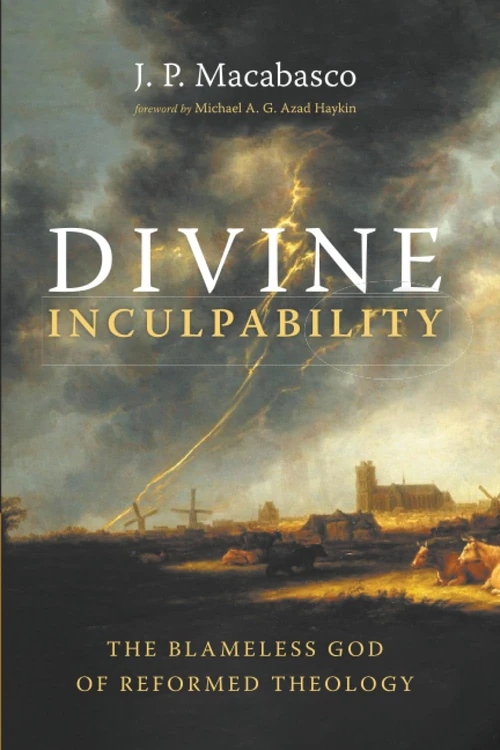
Divine Inculpability
The Blameless God of Reformed Theology
- Theology
- Publisher: Wipf and Stock
- Published: 2026
FritzSearch.com earns a commission on purchases made through Bookshop.org links.
Publisher's Description
God is the author of sin. God himself does evil and is to be blamed for every instance of it. These are claimed by many to be the logical conclusions of Reformed theology. Since it confesses the providence of God to be meticulous and determinative, then those claims must be true. However, Reformed theologians have consistently denied such conclusions as blasphemous. This book aims to show why and how the God of Reformed theology remains untainted by evil and sin. Alongside its confession of God’s meticulous providence and determinative concurrence, Reformed theology teaches a corollary doctrine of “divine inculpability.” The doctrine teaches that God cannot incur any kind of moral guilt resulting from any of his acts and that God cannot be blamed for any wrongdoing by any of his creatures. Both Reformed systematic and historical theology have upheld and reserved a place for such a doctrine based on a faithful interpretation of Scripture that testifies to the blameless nature and acts of God and upon further philosophical reflection utilizing criminal law concepts, which yields neither blameworthy conduct nor malicious intent in God’s agency within creation. Reformed theology rightly puts the blame for evil on creatures while proclaiming God inculpable.
Endorsements (3)
“In the Reformed tradition, we confess the dual truths that evil exists and that God is sovereign over it, and yet that God is good and remains blameless of committing evil. Resolving this tension with clarity, conviction, and comprehensiveness, J. P. Macabasco draws deeply from the wells of systematic theology, biblical theology (particularly by considering the histories of Job, Joseph, Judas, and the Lord Jesus), philosophical theology (particularly by examining criminal justice categories), and historical theology—from Augustine and Aquinas to the Puritans and Dutch Further Reformation divines, as well as the Reformation and post-Reformation confessions—to show that divine inculpability is essential to Reformed systematic theology and theodicy. Rich in biblical fidelity, historical-theological reflection, and philosophical insight, this book will leave you standing in awe at the God who is perfectly good, righteous, wise, and sovereign—the Almighty covenant Lord who works even through evil for the glory of his name and the good of his people.”
“You may or may not be convinced by the Reformed formulation of divine inculpability that J.P. Macabasco articulates in this book. Nevertheless, the author clearly shows how the charge that God is the author of evil can be effectively answered. Not only that, but this answer does not necessitate any compromise in a confessional Reformed understanding of divine providence.”
See something wrong on this page? Report a problem