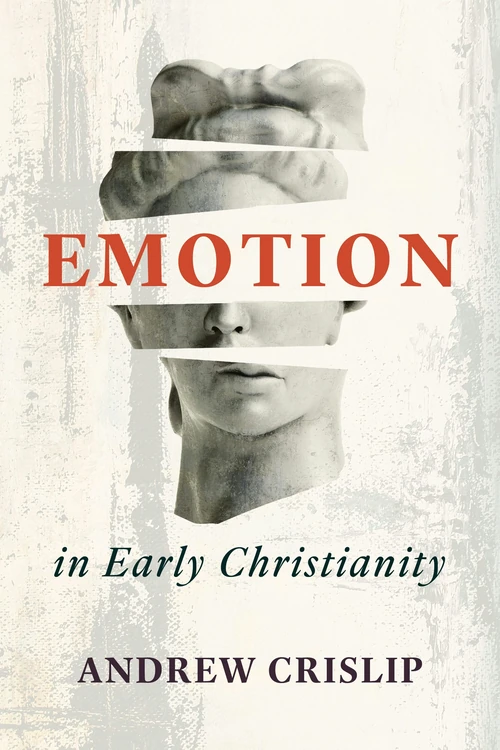
Emotion in Early Christianity
- History & Biography
- Theology
- Publisher: Eerdmans
- Published: 2026
FritzSearch.com earns a commission on purchases made through Bookshop.org links.
Publisher's Description
A fascinating study of the inner lives of early Christians In this groundbreaking book, Andrew Crislip explores the emotional landscape of early Christianity, illuminating how emotion shaped Christian identity, community practices, and theological understanding. Crislip investigates five emotions in detail—joy, sadness, anger, disgust, and envy—revealing how they were understood, experienced, and expressed in the formative years of the Christian tradition. Through close examination of early Christian teachings, sermons, and philosophical debates, Crislip demonstrates how emotions were considered essential for fostering communal bonds, reinforcing moral norms, and differentiating believers from outsiders. He also shows how emotional concepts, norms, and experiences changed over time and differed among communities. By exploring diverse figures from the first to the fifth centuries, Crislip highlights how emotions like joy and love were central to Christian self-identity, while negative emotions such as anger and envy were seen as threats to spiritual well-being. The book also addresses the emotional complexity of Christian suffering, where sadness and grief were transformed into expressions of hope and spiritual endurance. Combining insights from cognitive science, psychology, and historical analysis, Crislip presents a nuanced view of how emotional concepts evolved within early Christian thought. He emphasizes that emotions were not merely spontaneous feelings but intentional practices that reflected and shaped religious identity. Readers will come away with a deeper understanding of how emotion functioned as a powerful force in the early church, connecting individuals to their faith, community, and the divine. Comprehensive yet accessible, Emotion in Early Christianity is a brilliant introduction to an important topic in New Testament studies and the history of Christianity.
Endorsements (3)
“As surely as ‘faith without works is dead,’ so is faith without feeling. Expertly navigating a wide range of primary texts and deeply informed by interdisciplinary theories of emotion, historian Andrew Crislip provides a stimulating account of what it felt like to be a Christian across the first five centuries. I especially appreciate Crislip’s keen social-historical focus on ‘emotional communities’ as key crucibles for forging faithful Christian feelings. This pacesetting book marks a significant contribution to the burgeoning field of emotion studies in early Christianity.”
“In the study of early Christianity, emotion is often reduced to passing references to joy, sorrow, or anger, leaving unexplored the deeper ways that ancient people understood, experienced, and expressed feeling. Crislip’s Emotion in Early Christianity examines emotion not as universal, timeless states but as dynamic, culturally embedded processes—shaped by ancient Mediterranean thought, embodied practices, and theological imagination. Both rigorous and accessible, this volume opens a fresh path for biblical scholarship that bridges contemporary emotion theory with close textual analysis, inviting scholars, students, and interested readers alike to consider what it means to feel Christian.”
“Emotional communities, affect theory, constructed emotions—such concepts are increasingly applied to studies of early Christianity, often with conflicting and puzzling results. Andrew Crislip provides both a reliable guide to this scholarly terrain and a rich reconstruction of five key emotions in early Christian thought and practice.”
See something wrong on this page? Report a problem