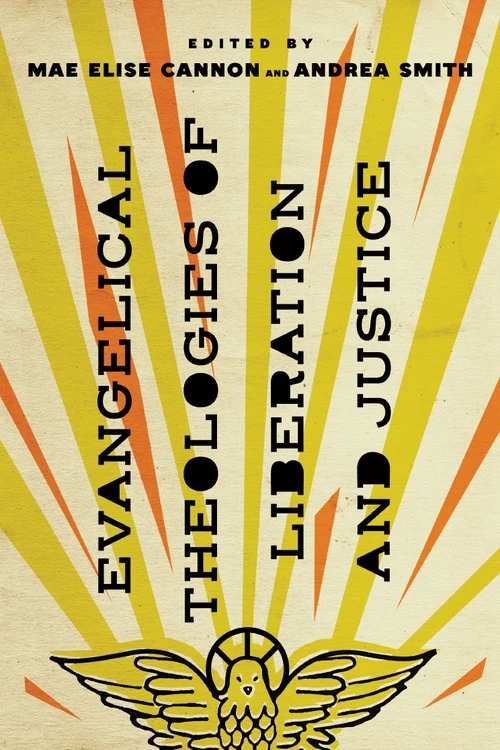
Evangelical Theologies of Liberation and Justice
- Theology
- Publisher: IVP Academic (InterVarsity Press)
- Published: 2019
FritzSearch.com earns a commission on purchases made through Bookshop.org links.
Publisher's Description
For many evangelicals, liberation theology seems a distant notion. Some might think it is antithetical to evangelicalism, while others simply may be unfamiliar with the role evangelicals have played in the development of liberation theologies and their profound effect on Latin American, African American, and other global subaltern Christian communities. Despite the current rise in evangelicals focusing on justice work as an element of their faith, evangelical theologians have not adequately developed a theological foundation for this kind of activism. Evangelical Theologies of Liberation and Justice fills this gap by bringing together the voices of academics, activists, and pastors to articulate evangelicalliberation theologies from diverse perspectives. Through critical engagement, these contributors consider what liberation theology and evangelical tenets of faith have to offer one another. Evangelical thinkers—including Soong-Chan Rah, Chanequa Walker-Barnes, Robert Chao Romero, Paul Louis Metzger, and Alexia Salvatierra—survey the history and outlines of liberation theology and cover topics such as race, gender, region, body type, animal rights, and the importance of community. Scholars, students, and churches who seek to engage in reflection and action around issues of biblical justice will find here a unique and insightful resource. Evangelical Theologies of Liberation and Justice opens a conversation for developing a specifically evangelical view of liberation that speaks to the critical justice issues of our time.
Endorsements (3)
“There is a deep interconnectedness of all aspects of God's good creation. Yet biblical tradition clearly reminds us that our relationships with one another, animals, and the environment are marred by a kind of brokenness. Moreover, those aspects of our social world that people are responsible for creating and maintaining too often reflect substantial economic inequities, oppressive political interactions, and systemic and institutional injustices. All of this reflects a way of being that is profoundly antithetical to a biblical vision of shalom. Evangelical Theologies of Liberation and Justice is a welcomed collection of essays seeking to address these ways of relating by challenging some of us to rethink the way we approach the theological task. Comprising voices and perspectives from the global church and marginalized communities, it provides a way forward in theological methodology. It raises challenges that all of us must confront. There can be no walling off of these concerns as being someone else's problems. The book calls us to take the gospel challenge of liberation seriously. The church and Christians of goodwill should grapple with the contents contained herein.”
“A fine compilation of North American perspectives on a movement that some believe died at the end of the twentieth century. Liberation theology did not die; on the contrary, it has found new expressions and generated new movements. The voices in this volume are a sampling of thoughtful, activist evangelicals who have been profoundly touched by the spirit of liberation and justice.”
“Evangelical Theologies of Liberation and Justice provides one more needed bridge between the epistemically dualist mindset of most liberation theologians of the previous centuries and today's analysis of colonialism and the postcolonial movement. This book walks toward the development of what Robert Chao Romero calls 'the daily rhythm and grind of lo cotidiano from which unique theological and epistemological understandings flow.' Terry LeBlanc and Jeanine LeBlanc also usethe critical analysis needed for outlining such epistemic changes that embrace abandonment of dualist and positivist enlightenment ideology that served as fertile roots for colonization: instead of 'I think, therefore I am,' Indigenous people might understand being as 'We are, therefore I am.' Andrea Smith's words are the best representation of the needed contribution of this book in building a bridge between evangelical traditional epistemic truth-seeking and the need for embracing 'a fuller exploration of what it means to be born again that might lead us to an approach that would synergize an ideological/epistemological approach with a structural analysis.' I am very confident that all the contributors' considerations presented in Evangelical Theologies of Liberation and Justice will serve us well among evangelical scholars. It is time to embrace the need for a new epistemology. I will be paying attention to what Mae Elise Cannon and Andrea Smith continue to contribute.”
See something wrong on this page? Report a problem