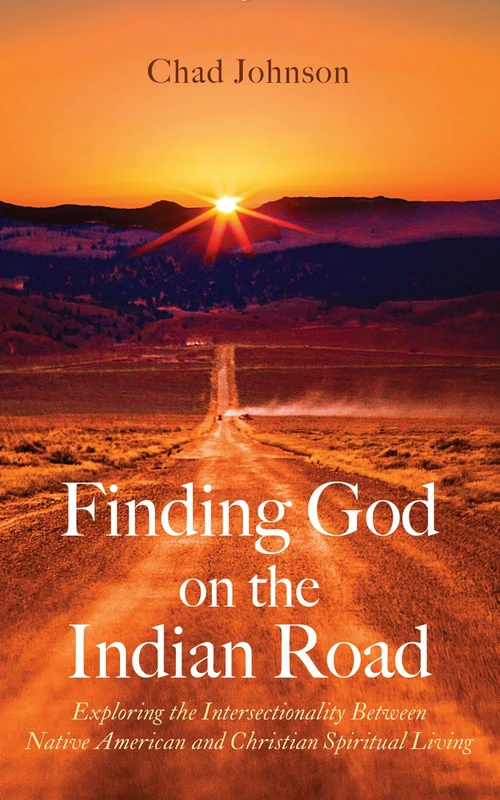
Finding God on the Indian Road
Exploring the Intersectionality Between Native American and Christian Spiritual Living
- World Religions
- Publisher: Wipf and Stock
- Published: 2023
FritzSearch.com earns a commission on purchases made through Bookshop.org links.
Publisher's Description
Drawing on the long and arduous history between the Indigenous people of North America and the Christian church that colonists brought to them, the harmful relationship of the past must be addressed. To move forward so that Native American spiritual practices have much to offer the Christian world of spiritual living, a way, a spirit of respect and reverence must be established. For centuries, these two deeply spiritual worlds were told that they could not and would not coexist. Drawing deep attention to ways Native American spiritual practices have been misappropriated and trivialized over the years through a lack of reverence draws us into a deeper sense of respect and appreciation for non-Native persons and offers a new sense of hope and beginning for Native peoples that continue to struggle with the voices of the past telling them that being fully Native and fully Christian are incompatible. There is a new reality that these two worlds very much can and should coexist, and it is a good and joyful thing for all people to begin to explore where Native American cultures and faith intersect.
Endorsements (2)
“Chad Johnson’s Finding God on the Indian Road falls along trajectory of emerging Indigenous voices who seek to hold together their Indigenous and Christian identities in incredibly fresh ways that are both life-affirming and life-giving.”
“Two roads diverge in a theological thicket of spirituality: the Indian Road and the Jesus Road. Chad Johnson, citizen of the Chickasaw Nation and a Christian pastor, offers intersectionality between these two ‘roads.’ Johnson attempts to clear up and name not only doctrinal deadwood, the overgrowth of oppression, and the brambles of betrayal on the Jesus Road, but ‘the hurtful past and voices of hate, . . . marginalization, and stereotypical nuances” about the Indian Road and the Indigenous people who walk(ed) it.”
See something wrong on this page? Report a problem