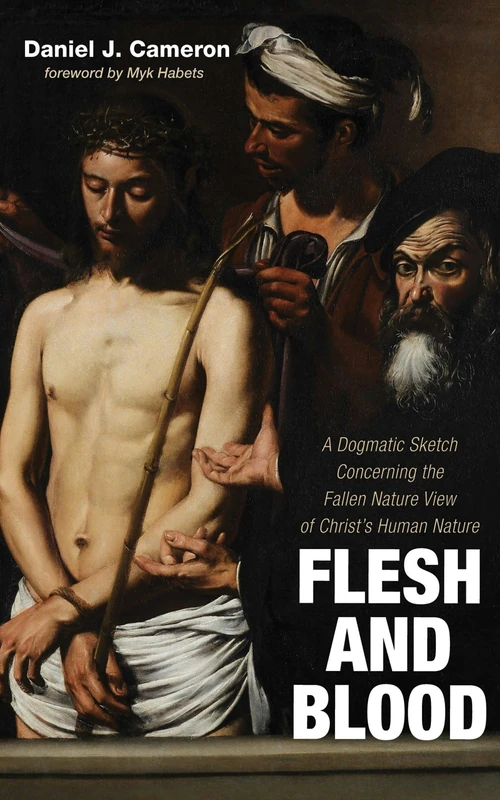
Flesh and Blood
A Dogmatic Sketch Concerning the Fallen Nature View of Christ’s Human Nature
- Theology
- Publisher: Wipf and Stock
- Published: 2016
FritzSearch.com earns a commission on purchases made through Bookshop.org links.
Publisher's Description
If you were told that Christ assumed a fallen human nature, how would you respond? This statement makes many uncomfortable because they believe that to agree with this statement would sacrifice the sinlessness of Jesus. Others have said that this view is heretical and completely undermines what scripture teaches. But does it? In Flesh and Blood, Daniel J. Cameron examines this idea and its critics, such as Oliver Crisp and Kevin Chiarot, to see if it is possible to say that Christ did in fact assume a fallen human nature. Daniel examines one of the most well known proponents of this view, T.F. Torrance, to see if his arguments can overcome those who have critiqued him. Daniel begins by explaining the fallen nature view from the perspective of Torrance. He then moves to explain some of the biggest critiques of this view and then, in chapter 4, seeks to find an answer to the critics. This book ends by examining the role of the Holy Spirit in the life of Christ as it pertains to this question.
Endorsements (4)
“When 'the Word became flesh,' did he take a fallen human nature? From doctoral dissertations to popular blogs, the debate goes on--often creating more confusion than clarity. In Flesh and Blood, Dan Cameron listens carefully to both sides while mounting a concise, incisive, and irenic defense of prominent theologian Thomas F. Torrance's 'fallenness' view against the critiques of 'unfallenness' proponents, especially Oliver Crisp.”
“In Flesh and Blood, Cameron skillfully sets the contemporary voices of T. F. Torrance and Oliver Crisp in conversation about the ancient insight of Gregory of Nazianzus--namely, that what our Lord has not assumed he has not healed. With concision and clarity, Cameron demonstrates that the ontology of the incarnation grounds the reality of redemption, arguing that in the mystery of the Word made flesh, Jesus Christ sinlessly assumed our fallen humanity.”
“Cameron has provided a much needed, clear, reliable, and fair overview of the issues involved in the discussion and debate over Torrance's view of Christ's assumption of our fallen humanity. Backed by extensive research into Torrance's writings and his key interpreters and offering an informed and charitable presentation of key critics, this work advances the discussion admirably.”
See something wrong on this page? Report a problem