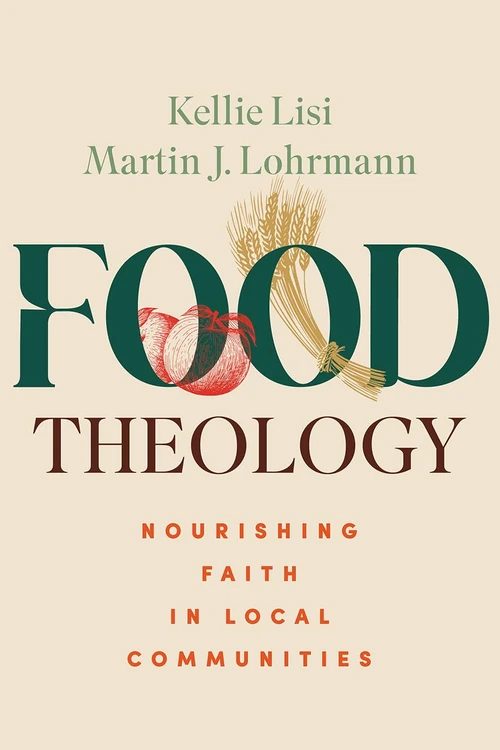
Food Theology
Nourishing Faith in Local Communities
- Theology
- Church Leadership & Ministry
- Publisher: Fortress Press (Augsburg Fortress)
- Published: 2025
FritzSearch.com earns a commission on purchases made through Bookshop.org links.
Publisher's Description
From biblical times to today, Christ's gospel has gone through real stomachs to nourish people with fullness, fellowship, abundance, and joy. By weaving together scriptural reflection, compelling stories, best practices, and satisfying recipes, Food Theology introduces a gospel-centered food theology and provides a user-friendly "how to" guide for those who want to explore and deepen the role of food in their mission and ministry. Food Theology invites eaters to a consideration of food itself as a primary communicator of God's love, grace, and sustenance for all creation. While many people know that food is a gift from God, the rich insights of food theology have not been widely shared with congregational audiences and church practitioners in a single, digestible resource. Lisi and Lohrmann draw upon theological grounding and ministry experience to introduce readers to the blessings of intentionally connecting food and faith. Each chapter of this book provides readers with clear, practical, and adaptable suggestions for how to expand existing food ministries or start new ones. Through easy-to-follow recipes and guides, readers will be able to sense for themselves the exciting possibilities that come with increased attention to local food ministries and eating in community. Food Theology shifts our attention to the transformative power of food, giving readers the knowledge and resources to practice sharing God's goodness.
Endorsements (5)
“Food transcends generations and cultures, remains a powerful symbol of hospitality, and brings people together in an increasingly disconnected society. Food Theology: Nourishing Faith in Local Communities explores this deep connection between food and faith, offering shared insights on how shared meals can strengthen spiritual life and foster meaningful relationships in today's world. You will read this and find nourishment for your faith.”
“Food Theology calls us to supper, but not before it hands us an apron. With recipes, liturgies, and accessible theological reflection, this book encourages us to imagine how meals can become occasions for satisfying our deep hungers for food, community, and a living faith. Like the meals Lisi and Lohrmann encourage us to prepare, this book is at once invitational, nourishing, adaptable, and best enjoyed together.”
“In a world of spiritual and physical hunger, Food Theology invites readers to ground their relationships in God's abundance through theology and practices that connect faith and food. Themes include God as a generous host, cooking as a community endeavor, shared meals as a foundation for shared lives, and faith-rooted witness to end hunger. This volume is a guide that will enrich family and congregational gatherings, offering recipes for daily bread to sustain body and spirit.”
“In a world that feels increasingly volatile and segmented, the centrality of food in life and faith remains constant. Across different generations, diverse cultures, and divided societies, food brings us together. In this context, Food Theology is an especially timely, refreshing, and conversational read. It is one part insightful (yet simple) theological reflection and one part ultra-usable how-to guide--lovingly kneaded into a resource for Christian leaders and communities looking to know themselves, one another, God, and their wider contexts more deeply.”
“Kellie Lisi and Martin Lohrmann offer readers of Food Theology a delicious intellectual potluck--historical, theological, practical, political, and culinary (recipes!). The authors urge Christians to "go for it" in congregational food practices: Sunday dinners, community gardens, soup kitchens and much, much more. The helpful "Questions for Discussion" section after each chapter makes this book ideal for congregational study and engagement.”
See something wrong on this page? Report a problem