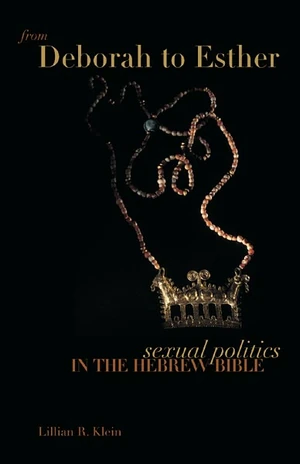
From Deborah to Esther
Sexual Politics in the Hebrew Bible
- Biblical Studies & Commentaries
- Publisher: Fortress Press (Augsburg Fortress)
- Published: 2003
FritzSearch.com earns a commission on purchases made through Bookshop.org links.
Publisher's Description
"I am a woman deeply troubled.... I have been pouring out my soul before Yahweh." – Hannah (1 Sam. 1:15) The Hebrew Bible's fascinating narratives about women have occasioned some of the most important biblical scholarship of the last generation. Lillian Klein contributes to that wealth with her absorbing studies of key figures in the narrative material: Deborah, Jephtha's daughter, Delilah, Jael, the whore of Gaza, Kaleb's daughter Achsah, Hannah, Esther, the wife of Job, David's wife Michal, and Bathsheba. With a marvelous eye for the telling detail – or its absence – Klein examines the biblical portraits, often unfortunately brief, of these women and the dynamics of gender, power, and honor at work in their stories. A remarkably lucid and careful scholar, Klein has surfaced the underlying and ironic ideals of womanhood in a society that both honored and marginalized women in stories of seduction and rivalry, deviation and obedience, public shame and private power.
Endorsements (2)
“How are biblical female figures imagined as coping with social constraints? How do they manage in a male-oriented society and through the lens of male authorship? What are the creative, at times heart-rending, means they are described as bringing to their struggle for survival, and at times for joy and fulfillment? Klein discusses such issues and strategies in a balanced and informative manner. Go places with her...fresh perceptions and insights will be your reward.”
“A provocative and bracing read. Sensitive to literacy and emotional nuances of texts, Klein assumes male authorship of the Hebrew Bible and wonders what women are doing in it at all. She finds female figures function in contrast with males and as exemplary figures. But her most intriguing discoveries concern what the women characters say about the men who wrote them into the stories. This book is a study of male power and male fear. It belongs in college and seminary classes about the Bible, about gender, and about power relations. And because it is eminently readable, it also belongs in the hands of lay readers concerned with any of these topics.”
See something wrong on this page? Report a problem