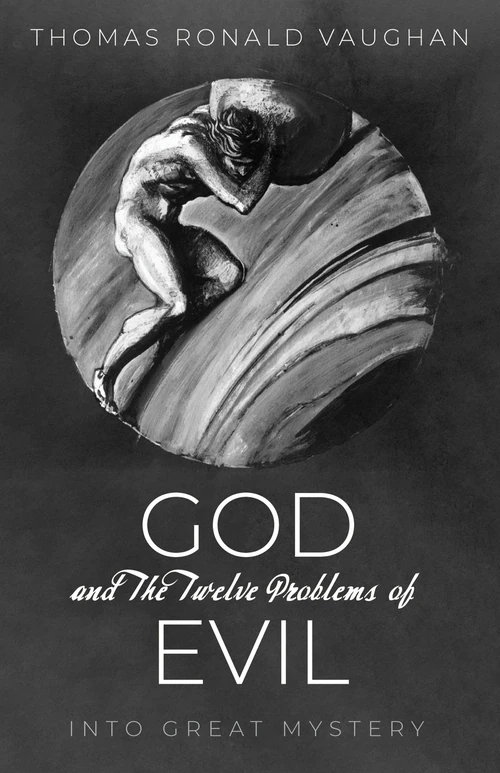
God and The Twelve Problems of Evil
Into Great Mystery
- Theology
- Publisher: Resource Publications (Wipf and Stock)
- Published: 2020
FritzSearch.com earns a commission on purchases made through Bookshop.org links.
Publisher's Description
This book of essays asks the enduring, age-old question, "If God is loving and good, why is there so much evil?" It answers boldly, "Because God creates, sustains, and 'allows' evil in the world." This fact is the greatest and most impenetrable mystery of the Christian faith. Twelve categories of evil are thereafter described and analyzed. The case is made that God is actively involved in the manifestations of evil, mysteriously and paradoxically suffers with her beloved children, but is "in control" of it all. Whatever harms, causes suffering, or destroys persons, animals, or the precious earth will be eliminated forever, but only in God's good time. Until then, believers must overcome evil with good, maintaining faith in the God whose thoughts and ways are not ours.
Endorsements (2)
“Experiencing a crisis of physical and emotional pain, Jesus on the cross calls out, ‘My God, my God, why hast thou forsaken me?’ All Christians can identify with the essential paradox that Christ confronts: How can our daily experience of overwhelming, senseless, irrational evil be compatible with faith in an all-powerful and all-loving God? How can the God of agape love allow disasters, epidemics, wars, etc. when by divine fiat she could prevent them? In this meditation, Ronald Vaughan refuses to shy away from questions which challenge the heart of faith. Instead, basing his conviction firmly in Scripture, he lovingly indicates the grounds for his conviction that ‘we are loved and treasured by our heavenly Parent.’”
“Vaughan explores the age-old question of evil through many different lenses in this provocative but accessible work. Written both for clergy and laity, the book intends not only to stimulate the reader to examine the various aspects of thought on the subject but also to be of practical assistance to those who deal with this question in their vocations. While not attempting to give a definitive answer, Vaughan opens a wide avenue of ways in which to consider this issue which has baffled people through the centuries.”
See something wrong on this page? Report a problem