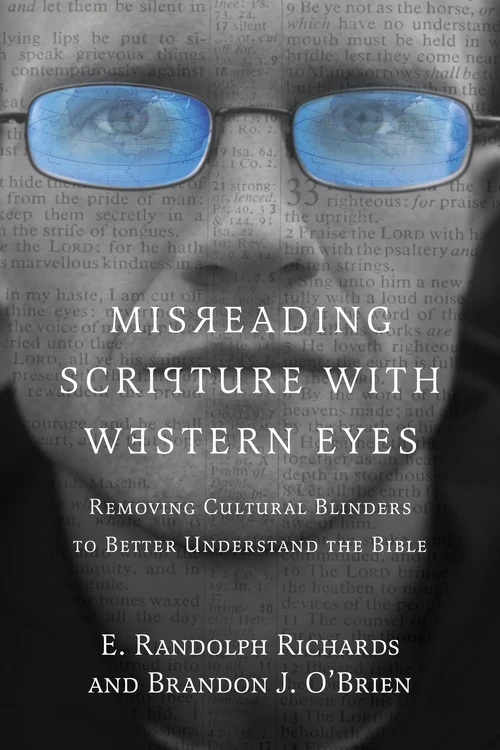
Misreading Scripture with Western Eyes
Removing Cultural Blinders to Better Understand the Bible
- Biblical Studies & Commentaries
- Publisher: InterVarsity Press
- Published: 2012
FritzSearch.com earns a commission on purchases made through Bookshop.org links.
Publisher's Description
Over 150,000 Copies Sold Worldwide! Understand Scripture on Its Own Terms What was clear to the original readers of Scripture is not always clear to us. Because of the cultural distance between the biblical world and our contemporary setting, we often bring modern Western biases to the text. For example: When Western readers hear Paul exhorting women to "dress modestly," we automatically think in terms of sexual modesty. But most women in that culture would never wear racy clothing. The context suggests that Paul is likely more concerned about economic modesty—that Christian women not flaunt their wealth through expensive clothes, braided hair, and gold jewelry. As Westerners, we tend to give much attention to avoiding vices and not much to developing virtues. We tend to think that virtuous acts are spontaneous. But what went without saying in Paul’s day was that it is not enough to remove vices; you must acquire virtues to replace them with, just like changing clothes (Col. 3:12). Western individualism leads us to assume that Mary and Joseph traveled alone to Bethlehem. What went without saying was that they were likely accompanied by a large entourage of extended family. Biblical scholars Brandon O'Brien and Randy Richards shed light on the ways that Western readers often misunderstand the cultural dynamics of the Bible. They identify nine key areas where modern Westerners have significantly different assumptions about what might be going on in a text. Drawing on their own cross-cultural experience in global mission, O'Brien and Richards show how better self-awareness and understanding of cultural differences in language, time, and social mores allow us to see the Bible in fresh and unexpected ways. Learn to read Scripture as a member of the global body of Christ with Misreading Scripture with Western Eyes.
Endorsements (5)
“Richards and O'Brien open our eyes to the crosscultural nature of the Bible. Their book is a helpful resource in understanding Scripture on its own terms, without imposing our assumptions on the biblical authors and their first readers.”
“This is a revolutionary book for evangelical Bible-believers. If its readers end the book motivated to ask the questions it invites and even inspired to identify other possible misreadings because of Western cultural blinders that have not been discussed, they will be more ready to live out the kind of biblically faithful, Christ-honoring and God-fearing lives that they desire to and that the world needs.”
“Misreading Scripture with Western Eyes is an important book that comes along at a critical moment in global evangelical history. Helpful examples reveal our cultural tendencies and biases that could hinder a deeper reading of Scripture. The authors help us to recognize our blind spots and offer insight that honors the intention of Scripture to be read in the context of community. I am grateful to the authors for their effort to be self-reflective and engage in a critical examination of our engagement with Scripture from within Western culture.”
“A fascinating guide for any serious Bible reader! Misreading Scripture with Western Eyes reveals the 'habits of the mind' that might blind us to the Bible's intended message. Richards and O'Brien unpack the intricacies and nuances of cultural communication to help people better understand the Bible. To help you know--and live--the Christian life more faithfully.”
“The authors of Misreading Scripture with Western Eyes make a convincing case that those who trust in the Bible should (for biblical reasons) be more self-conscious about themselves. Their demonstration of how unself-conscious mores influence the understanding of Scripture is as helpful as the many insights they draw from Scripture itself. This is a good book for better understanding ourselves, the Christian world as it now exists and the Bible.”
See something wrong on this page? Report a problem