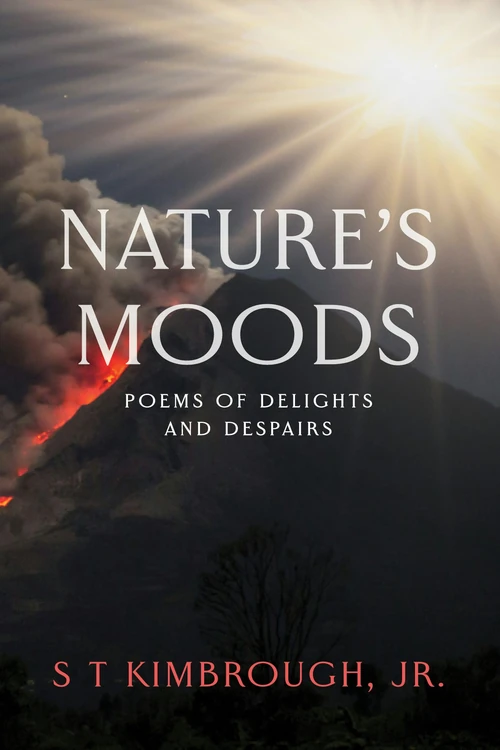
Nature’s Moods
Poems of Delights and Despairs
- Arts & Literature
- Publisher: Resource Publications (Wipf and Stock)
- Published: 2026
FritzSearch.com earns a commission on purchases made through Bookshop.org links.
Publisher's Description
When considering the radical change in weather from sunny beaches with pleasant ocean waves to violent hurricanes or cyclones, one senses that even nature seems to have moods, from pervading atmospheres of utter delight to anger and irritableness. One speaks of "angry winds" or "soothing summer breezes" as though somehow moods are reflected by nature. Someone's moods may reflect a temporary state of mind or feeling resulting from a sensitivity to nature's many changes. Nature can affect our moods. We experience differences in moods created by the weather. Rainey, dreary, overcast days that continue for long periods may evoke downcast moods. In countries with rainy seasons where the ground is constantly wet and unpaved roads become impassable, there may be complications resulting in inconvenience or disaster. Problems in communications and difficulties in electric grids may complicate delivery of power to a population. All these things may cause changes in tempers, impatience, misunderstandings, and other problems. Nevertheless there are aspects of nature in flora and fauna, pleasant landscapes, lovely mountain ranges, and seasons, which are of such delight that they may have a positive effect on our moods. These poems are the author's response to the positive and negative mood changes we experience through nature's delights and despairs.
Endorsements (2)
“S. T. Kimbrough is a musician, pastor, biblical scholar, linguist, entrepreneur, missiologist, global citizen and poet. In Nature’s Moods, S. T. draws on his rich background to present highly accessible glimpses of the planet Earth, our home. Readers can peer through S. T.’s wide-scope lens as he presents in verse two perspectives of the same creation.”
See something wrong on this page? Report a problem