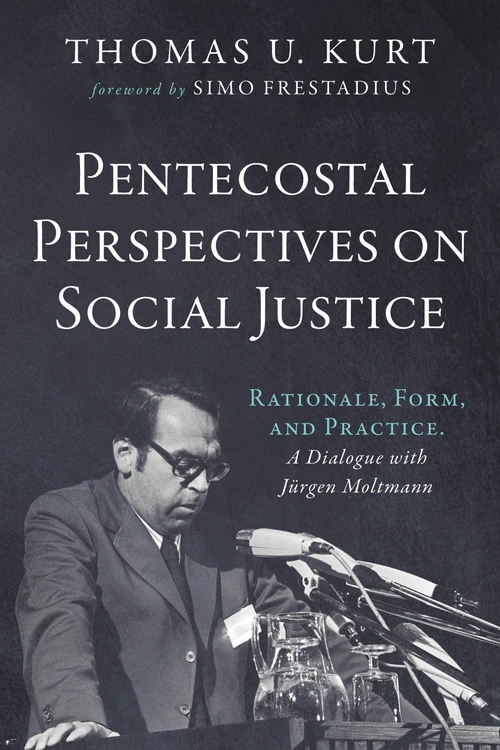
Pentecostal Perspectives on Social Justice
Rationale, Form, and Practice. A Dialogue with Jürgen Moltmann
- Ethics, Culture & Social Issues
- Theology
- Publisher: Pickwick Publications (Wipf and Stock)
- Published: 2025
FritzSearch.com earns a commission on purchases made through Bookshop.org links.
Publisher's Description
The beginnings of the Pentecostal movement were characterized by charismatic gifts and an extraordinary missionary dynamic. At the same time, early Pentecostals stood out from their social environment for their liberal practices on race and women's issues and for their pacifism. In a world characterized by violence, oppression, and exploitation, the question of justice is crucial for the future of this world. At the same time, for Pentecostals, the question of the future of this world is closely linked to the kingdom of God. This book explores whether there is a common denominator in Pentecostal social ethics, what that denominator consists of, and what its theological categories are. To answer these questions, it examines four representatives of the global Pentecostal church who have made prominent contributions in the field of social ethics. The results are then discussed in a dialogue with Jurgen Moltmann, one of the most prominent voices in systematic theology for social justice and the liberation of the oppressed.
Endorsements (3)
“Thomas Ulrich Kurt’s work provides a much-needed overview of the discussion of a Pentecostal social ethic and outlines its rationale, form, and practice. His insights and conclusions provide the cornerstones for any further discussion on the subject. A must read for anyone interested in social justice, and even more so for those who have not had the issue of social justice at the forefront of their research—and practice.”
“Anyone interested in a pneumatological theology of social justice can’t afford to ignore this brilliant treatment of the subject by Thomas Kurt. Writing from a Pentecostal context, Kurt wisely chooses Jürgen Moltmann as his dialogue partner. The result is an approach to social justice that is both timely and immensely informative.”
See something wrong on this page? Report a problem