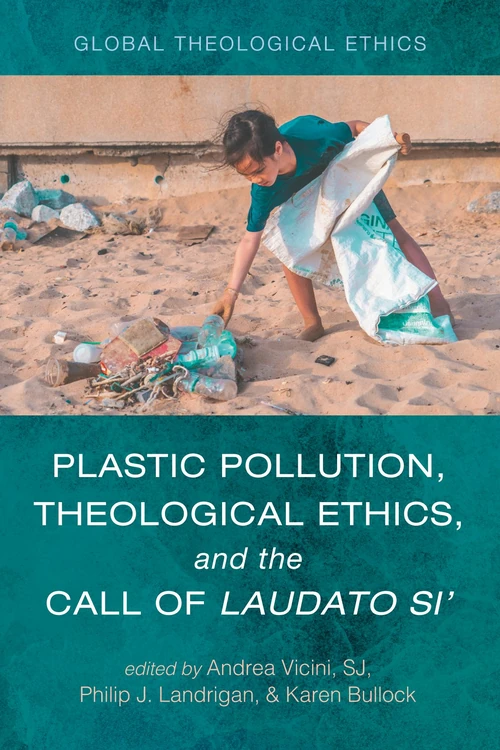
Plastic Pollution, Theological Ethics, and the Call of Laudato Si’
- Ethics, Culture & Social Issues
- Publisher: Pickwick Publications (Wipf and Stock)
- Published: 2025
FritzSearch.com earns a commission on purchases made through Bookshop.org links.
Publisher's Description
The book combines a state-of-the-art review of current knowledge of plastics' harms to human health and the global environment with an exploration of the social consequences and the ethical foundations of the plastics crisis. The book gathers contributions of scientists, ethicists, economists, policy makers, and religious leaders. The plastics crisis is more than an environmental threat, and like climate change, air pollution, biodiversity loss, and escalating inequality, it is also a social and ethical challenge. It is a crisis that demands solutions that are based on the best science but that are also just and ethically sound.
Endorsements (3)
“Richly interdisciplinary yet always grounded in the lived experience of those most affected by plastic pollution, this book invites us all to grapple with a decidedly modern problem that too many people would otherwise be content to ignore. A true work of conscience, this volume offers the witness we need to heed to reclaim the common good.”
“This book weaves a compelling plot of diagnosis, prognosis, and therapy for a public-health phenomenon: the overuse of plastics. It shows how excessive plastic consumption threatens both individual health and the stability of social and political systems. More than a call for responsibility and moderation, the book outlines concrete strategies to limit damage and advance the common good, drawing on religious and worldview traditions that place social justice at the center of their choices.”
“The volume Plastic Pollution, Theological Ethics, and the Call of Laudato Si’ describes the situation regarding plastics from a different perspective than that most often encountered in the literature, highlighting the ethical obligation to care for creation as a foundation requiring solving the plastics dilemma. This was achieved by engaging religious leaders as well as scientists, economists, theologians, and others, blending their views arriving at a compelling moral argument for quelling the ever-expanding production of plastic materials, for the good of all humankind and the good of creation. The unique perspective in this volume should help to enlist those concerned about the health of our common home, regardless of political or faith persuasion.”
See something wrong on this page? Report a problem