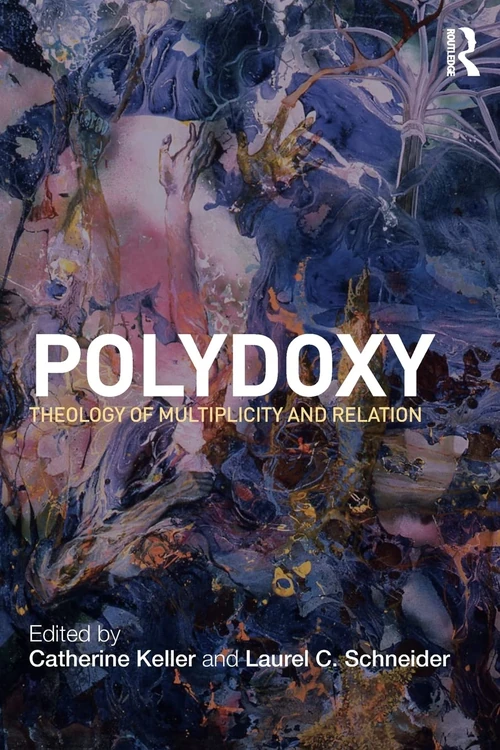
Polydoxy
Theology of Multiplicity and Relation
- Publisher: Routledge
- Published: 2010
FritzSearch.com earns a commission on purchases made through Bookshop.org links.
Publisher's Description
Religious pluralism, the collapse of traditional religious institutions, and the growing impact of religious studies on believers have prompted widespread rethinking of what religion is. Polydoxy offers a brilliant and original theological response to this intellectual crisis by suggesting that there are multiple forms of right belief. Reacting against reductive or nostalgic theological tendencies, the chapters in this book by an impressive array of scholars take an exciting and creative approach to theology in the twenty-first century.
Endorsements (4)
“This is an incredibly profound collection that unsettles the theologian into a clearing of questioning and construction. Young theologians should take upon themselves the task of reading and digesting this text. Yet “old” theologians must not become weary or fearful of this collection, for this work arrives from the multiplicity of Christian orthodoxy. Polydoxy signals a thoroughly postmodern constructive text. This is precisely what theologians have needed, and will continue to need, to construct postmodern theologies.”
“This important book launches a new movement in theology which, while solidly grounded in Christian heritages, is groundbreaking in its refreshing openness to multiple methods and sources. I highly recommend it!”
“Intellectually bold and theologically sound, this well-composed volume offers thought-provoking essays on the multiplicity of Christian orthodoxy. A must read for theologians and philosophers interested in vibrant and engaged theologies.”
“A remarkable collection, multi-faceted yet deeply interconnected in values and emphases. Page by page, example by example, one watches ‘polydoxy’ transform from a mysterious neologism into an indispensable means for labeling something one always wanted to name but couldn’t quite: the unexpected possibility of religious language, even hope, in an age grown leery of theology. At stake here is nothing less than the space of (eco-)community with each other and with the divine: ‘different not separate, distinct not divided’.”
See something wrong on this page? Report a problem