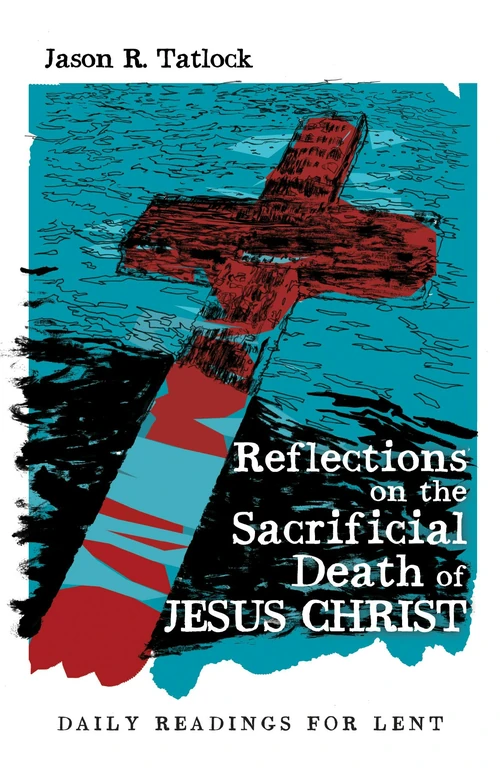
Reflections on the Sacrificial Death of Jesus Christ
Daily Readings for Lent
- Bible Studies & Devotionals
- Publisher: Cascade Books (Wipf and Stock)
- Published: 2019
FritzSearch.com earns a commission on purchases made through Bookshop.org links.
Publisher's Description
The sacrificial nature of Jesus’ crucifixion stands at the core of the Christian faith, and it serves as a focal point for the forty days of Lent. The essential meaning of his death as a victim of sacrifice is widely recognized, but there is more to the sacrificial representation than many realize. Jesus is not, for example, described in the New Testament only as a Passover lamb. That type of lamb sacrifice had nothing to do with addressing sin. His sacrifice involved concepts beyond Passover. Jesus and his early followers drew upon Jewish Scriptures to describe his death in light of several other Israelite practices and traditions, such as Day of Atonement rituals, guilt-sacrifice, and more. In this book, Tatlock draws upon his understanding of ancient sacrifice to explain the complex portrayal of the crucifixion in the New Testament. He shares about his personal challenges and insights in a series of daily reflections for the Lenten season or for any other time of the year. Book Project SiteDownload Group Guide
Endorsements (2)
“Tatlock’s book about the sacrificial death of Jesus is essential reading for Christian pastors and laypeople alike. It explains one of the most central, yet also most controversial doctrines in Christianity through close attention to foundational Bible texts. Here is a scholar who includes personal stories to explain what the death of Jesus on the cross has to do with God’s grace and how it might play out in our daily lives.”
“These reflections on the references to Jesus’ atoning death by an expert in human sacrifice stimulate the reader to think more deeply about what the New Testament authors were trying to communicate. And with personal and transparent glimpses into his own life, the author challenges the reader to reconsider how one ought to respond in light of such an expression of divine love. A wonderful companion for Lent.”
See something wrong on this page? Report a problem