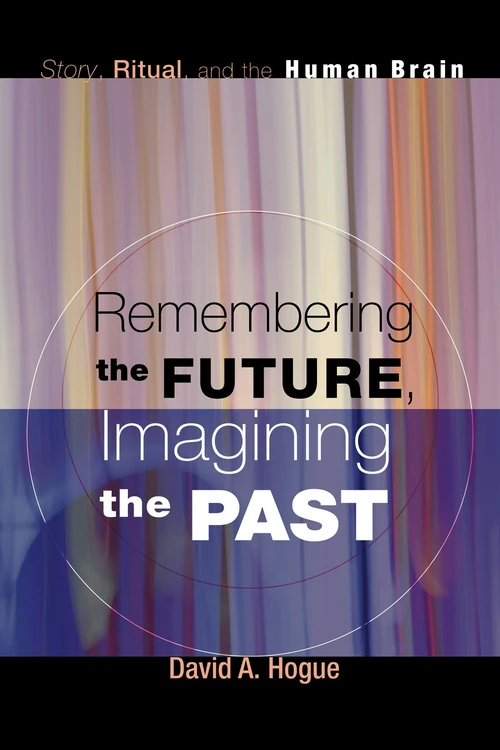
Remembering the Future, Imagining the Past
Story, Ritual, and the Human Brain
- Science & Faith
- Publisher: Wipf and Stock
- Published: 2009
FritzSearch.com earns a commission on purchases made through Bookshop.org links.
Publisher's Description
Brain research is opening up our understanding of not only what role the different areas of our brain play in making decisions or in recognizing the faces of those we love, but even in experiencing God. As a pastoral theologian and counselor, Hogue values and utilizes the significant resources of the brain sciences for the work of the church in guiding, healing, and challenging persons and systems informed by our current understanding of the central nervous system. His latest book, Remembering the Future, Imagining the Past, is an especially useful resource for all those persons concerned with the practical theological arts of preaching, worship, pastoral care, and counseling, as well as those interested in how our increasing knowledge of the ways in which our brains work can help us understand and tailor our spiritual and pastoral practices in the church.
Endorsements (2)
“In the exciting conversation between religious studies and brain science, too few of the participants have been practical or pastoral theologians. David Hogue's book fills that gap nicely. Hogue shows us how our growing understanding of how the human brain works may help us to worship more truthfully, preach more stirringly, counsel more wisely, and pray more deeply. This is an imaginative and accessible exploration of the science of faith in a book with a pastoral heart.”
“Scientific advances in the study of the human brain are proceeding at 'warp speed,' raising challenging questions about human consciousness, identity, and ultimately, faith. David Hogue offers here a cogent and eminently readable guide to brain research, the light it sheds on the processes of perception, memory and imagination, and the implication of these for pastoral counseling, worship, and spiritual practice . . . a very helpful contribution at the frontier of science and pastoral theology!”
See something wrong on this page? Report a problem