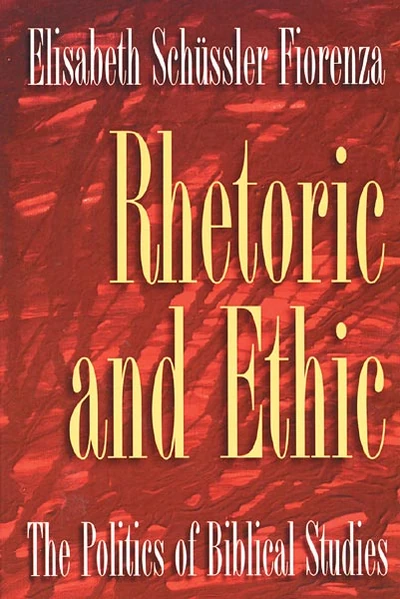
Rhetoric and Ethic
The Politics of Biblical Studies
- Biblical Studies & Commentaries
- Publisher: Fortress Press (Augsburg Fortress)
- Published: 1999
FritzSearch.com earns a commission on purchases made through Bookshop.org links.
Publisher's Description
In this major study, leading feminist biblical critic Elisabeth Schussler Fiorenza focuses on Paul and his interpreters. She questions the apolitical ethos of biblical scholarship and argues for an alternative rooted in a critical understanding of language as a form of power. Modern biblical criticism, she reasons, derives much of its methodology and inspiration from an outdated notion of modern science. It professes value-neutrality and detachment from the world of politics and history. Yet, Schussler Fiorenza maintains, this posture belies an objectivity that fails to engage the sociopolitical context of both the text and today's reader. It also does not recognize the rhetorical character of biblical texts and readings. If language is understood in the sense of ancient rhetorics as a form of power that constitutes reality, then an ethics of interpretation is called for. The task of biblical studies is to identify and assess the ethical resources and moral visions of biblical religions. "Only then," Schussler Fiorenza contends, "will bibical studies be a significant partner in the global struggles seeking justice and well-being for all."
Endorsements (2)
“Elisabeth Schüssler Fiorenza, with characteristic passion and precision, challenges biblical scholars to turn from being 'antiquarian scientists' to being 'transformative intellectuals' engaged in a liberatory rhetoric for the wider public assembly. In my opinion, this book is a must-read for all scholars and students of the Bible who care about the ways its symbols and words are used to dominate and marginalize or to liberate and empower the human community.”
“This book is the mature and provocative work of a mature and provocative scholar. In the way that only she can, Elisabeth Schüssler Fiorenza prods and goads biblical scholarship to think seriously about its predominant orientations and practices, their origins and perduring consequences. She also brilliantly models a different and compelling orientation and praactice for our times. Such orientation and practice, of course, are not likely to be taken up by all. The real power of the work lies, at any rate, not so much in the challenge it presents to the academic guild center, but to those in different positions on its periphery—those who desperately want and need to orient themselves differently from the center yet do not know either how to begin in a different place or whether there is safety in doing so. For many among such persons, this book will be most arresting and meaningful.”
See something wrong on this page? Report a problem