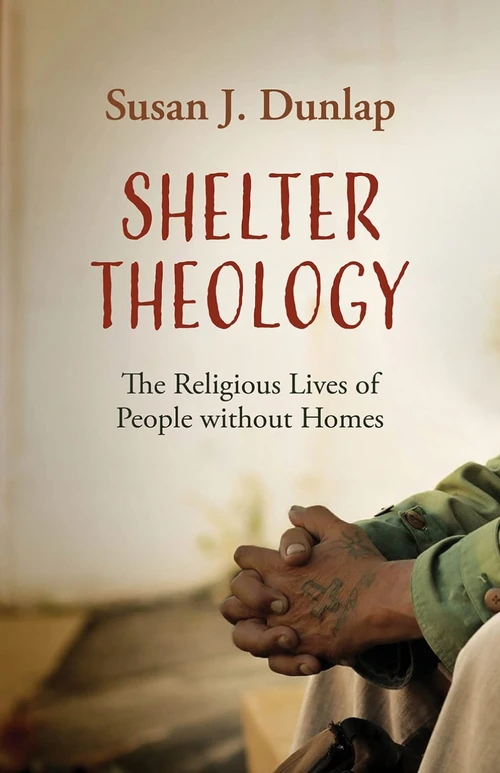
Shelter Theology
The Religious Lives of People without Homes
- Theology
- Ethics, Culture & Social Issues
- Publisher: Fortress Press (Augsburg Fortress)
- Published: 2021
FritzSearch.com earns a commission on purchases made through Bookshop.org links.
Publisher's Description
Susan J. Dunlap offers the theological fruits of time spent working as a chaplain with people without homes. After depicting the local history of her small southern city, she describes the prayer service she co-leads in a homeless shelter. Clients offer words of faith and encouragement that take the form of prayer, sayings, testimony, song, and short sermons. Dunlap describes both these forms of expression and their theological content. She asserts that these forms and beliefs are a means of survival and resistance in a hostile world. The ways they serve these purposes are further demonstrated in life stories told as testimonies, incorporating scripture, sayings, oral tradition, and popular culture. Dunlap concludes that white supremacy and neoliberalism have produced the problem of homelessness in America and are forms of idolatry. The faith and practices shared at the shelter are spiritual and theological resources for people in the grip of and seeking freedom from this idolatry. Claiming that only God can free us from bondage to idolatry and that to draw close to the poor is to draw close to God, Dunlap calls for proximity to people living without homes who are practicing their faith amid poverty.
Endorsements (3)
“Dunlap's book is an engaging and compelling ethnographic study of unhoused neighbors in her community of Durham, North Carolina, in which she embodies a theology of shelter and a spirituality that is inclusive of all of neighbors (housed and unhoused) and affirms our need for each other as God's beloved.”
“Shelter Theology is the disruption our world needs. Dunlap boldly invites us into this believing community as they recognize systemic and other injustices and offer personal and communal restoration. Come prepared to be transformed.”
“Anyone seeking to provide cross-cultural care--across racial, economic, class and other forms of social difference--will find great insights here.”
See something wrong on this page? Report a problem