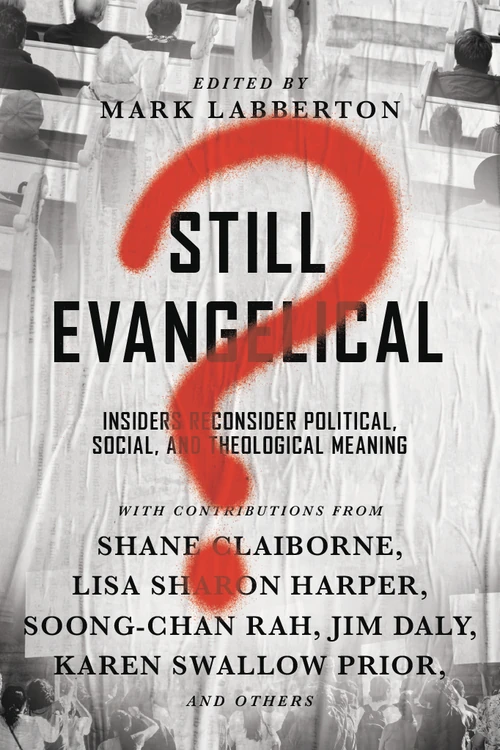
Still Evangelical?
Insiders Reconsider Political, Social, and Theological Meaning
- Ethics, Culture & Social Issues
- Publisher: InterVarsity Press
- Published: 2018
FritzSearch.com earns a commission on purchases made through Bookshop.org links.
Publisher's Description
2018 Foreword INDIES Book of the Year Award Finalist—Religion Evangelicalism in America has cracked, split on the shoals of the 2016 presidential election and its aftermath, leaving many wondering if they wantto be in or out of the evangelical tribe. The contentiousness brought to the fore surrounds what it means to affirm and demonstrate evangelical Christian faith amidst the messy and polarized realities gripping our country and world. Who or what is defining the evangelical social and political vision? Is it the gospel or is it culture? For a movement that has been about the primacy of Christian faith, this is a crisis. This collection of essays was gathered by Mark Labberton, president of FullerTheological Seminary, who provides an introduction to the volume. What follows is a diverse and provocative set of perspectives and reflections from evangelical insiders who wrestle with their responses to the question of what it means to be evangelical in light of their convictions. Contributors include: Shane Claiborne, Red Letter Christians Jim Daly, Focus on the Family Mark Galli, Christianity Today Lisa Sharon Harper, FreedomRoad.us Tom Lin, InterVarsity Christian Fellowship Karen Swallow Prior, Liberty University Soong-Chan Rah, North Park University Robert Chao Romero, UCLA Sandra Maria Van Opstal, Grace and Peace Community Allen Yeh, Biola University Mark Young, Denver Seminary Referring to oneself as evangelical cannot be merely a congratulatory self-description. It must instead be a commitment and aspiration guided by the grace and mercy of Jesus Christ. What now are Christ's followers called to do in response to this identity crisis?
Endorsements (1)
“Evangelical should mean Bible believing, gospel preaching, justice seeking, and Spirit filled. Instead it has become known more by its politics than by its commitment to the Word of God. This book puts the current evangelical identity crisis within a much needed historical perspective and provides a way forward to help us recover the good news of Jesus that our world desperately needs to hear.”
See something wrong on this page? Report a problem