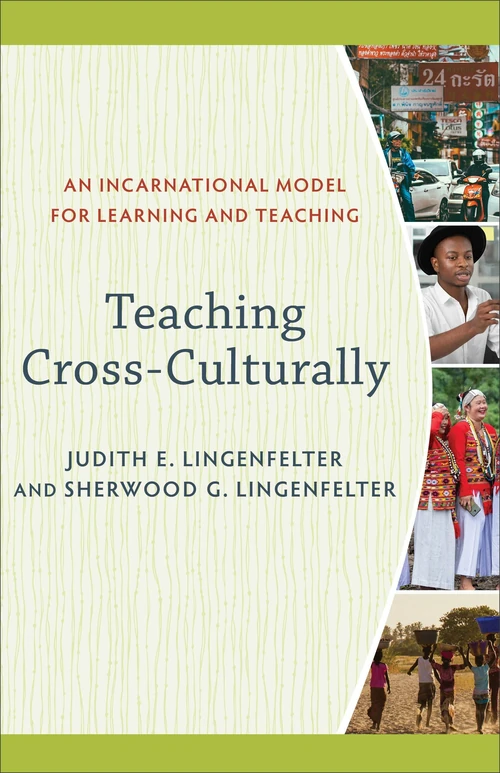
Teaching Cross-Culturally
- Church Leadership & Ministry
- Evangelism & Missions
- Publisher: Baker Academic (Baker Publishing Group)
- Published: 2003
FritzSearch.com earns a commission on purchases made through Bookshop.org links.
Publisher's Description
Teaching Cross-Culturally is a challenging consideration of what it means to be a Christian educator in a culture other than your own. Chapters include discussions about how to uncover cultural biases, how to address intelligence and learning styles, and teaching for biblical transformation. Teaching Cross-Culturally is ideal for the western-trained educator or missionary who plans to work in a non-western setting, as well as for those who teach in an increasingly multicultural North America.
Endorsements (6)
“A must-read book for all cross-cultural instructors”
“Christ's Commission is much broader than reaching the unreached. Jesus commands us to make disciples of all nations through teaching. Each person teaching in another culture will benefit from the principles and examples in this book.”
“Incarnational teaching is truly the strength of this book. It allows readers to reflect from both a teacher's and a learner's perspective. The book provides a deeper understanding of the importance, as Christian educators, of taking culture seriously. Readers will be challenged to reflect in ways that bring growth as a teacher as well as a Christian.”
“The contents of this book must become functional knowledge for everyone who seeks to disciple the nations. I have been in a formal education setting for twenty years and have been developing ideas of my role as a teacher. After reading this book, I need to do a U-turn!”
“Written with power, grace, and a wealth of wisdom, Teaching Cross-Culturally is essential reading for all Christian leaders who are called to teach the gospel of Jesus Christ in an ever-dynamically changing world.”
“Using sound missiological principles and timeless biblical truths, the Lingenfelters provide a truly Christian approach to teaching successfully in intercultural contexts.”
See something wrong on this page? Report a problem