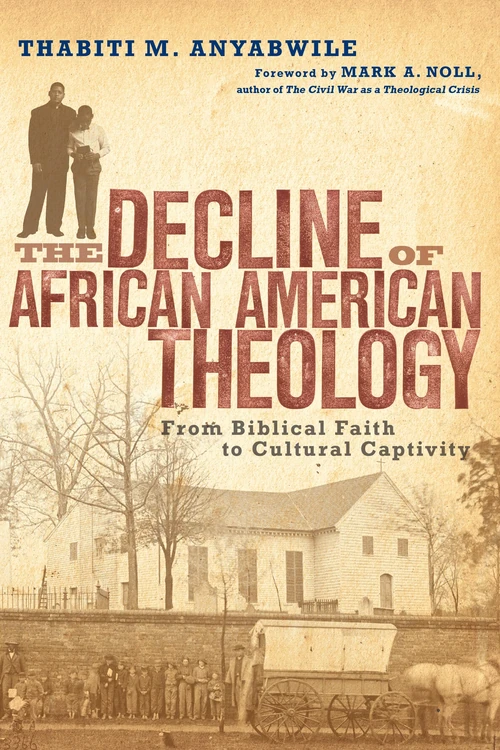
The Decline of African American Theology
From Biblical Faith to Cultural Captivity
- Theology
- History & Biography
- Publisher: IVP Academic (InterVarsity Press)
- Published: 2007
FritzSearch.com earns a commission on purchases made through Bookshop.org links.
Publisher's Description
Who were Jupiter Hammon, Lemuel Haynes and Daniel Alexander Payne? And what do they have in common with Martin Luther King Jr., Howard Thurman and James Cone? All of these were African American Christian theologians, yet their theologies are, in many ways, worlds apart. In this book, Thabiti Anyabwile offers a challenging and provocative assessment of the history of African American Christian theology, from its earliest beginnings to the present. He argues trenchantly that the modern fruit ofAfrican American theology has fallen far from the tree of its early predecessors. In doing so, Anyabwile closely examines the theological commitments of prominent African American theologians throughout American history. Chapter by chapter, he traceswhat he sees as the theological decline of African American theology from one generation to the next, concluding with an unflinching examination of several contemporary figures. Replete with primary texts and illustrations, this book is a gold minefor any reader interested in the history of African American Christianity. With a foreword by Mark Noll.
Endorsements (2)
Foreword
“It is remarkable that, to my knowledge, there has never been a book that attempts what Thabiti Anyabwile's The Decline of African American Theology attempts. For historical purposes, the book makes an unusually valuable contribution with its full account of the course of African American Christian thought. Theologically, it makes another signal contribution with its critique of the general development of that thought. For both historical and theological reasons, this is a very important volume. . . . Because I have already learned so much from its pages, I am delighted to recommend it wholeheartedly to others.”
“An impressive array of historical and theological reflections on the African American church's religious tradition. Anyabwile presents a cogent argument that places the demand on the church's leadership, its theologians and its laypeople to continually evaluate its biblical and theological foundations for both the church's self-understanding as the people of God, and its objectives as God's agents in the world.”
See something wrong on this page? Report a problem