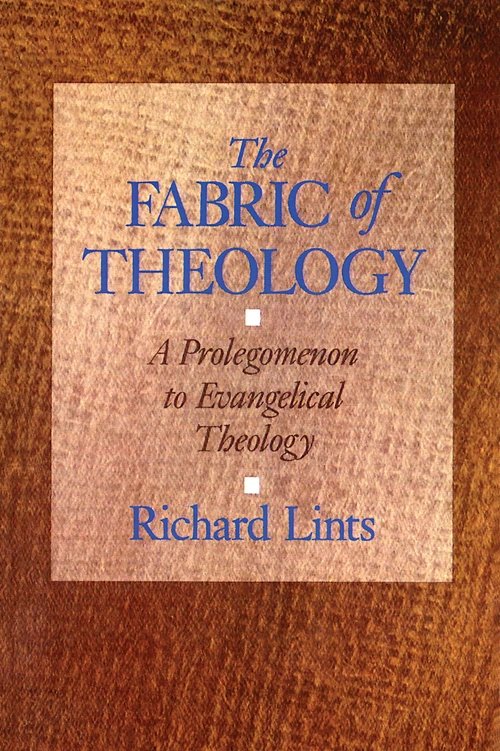
The Fabric of Theology
A Prolegomenon to Evangelical Theology
- Theology
- Publisher: Eerdmans
- Published: 1993
FritzSearch.com earns a commission on purchases made through Bookshop.org links.
Publisher's Description
This is a print on demand book and is therefore non- returnable. After showing that today's evangelicals have not fared well in the crucible of modern pluralism, Lints argues that in order to regain spiritual wholeness, evangelicals must relearn how to think and live theologically. This book highlights several cultural and theological impediments to doing theology from an evangelical perspective, interacts with postmodernism as a theological method, and provides a provocative new outline for the construction of a truly "transformative" evangelical theology in the modern age.
Endorsements (4)
“If American evangelicalism is to survive as a Christian movement (as distinct from a social, political, or even religious movement), it will need a rejuvenation of theology. Richard Lints ably points the way to that goal in this thought-provoking book. By assessing the enduring contribution of the epoch-making theologians like Luther, Calvin, and Jonathan Edwards, as well as by drawing attention to neglected voices like Geerhardus Vos, Lints provides models to renew the theological enterprise. Even more, he shows the altogether-healthy realization that theology worthy of the name can never be separated from life.”
“A splendid initiative in constructively reworking evangelical hermeneutics and theological method. . . . Lints deserves careful reading by those seeking to redefine the theological task within evangelicalism.”
“I am enthusiastic about Richard Lints's work. It is important for all who are serious about how to do evangelical theology in the contemporary setting. Lints combines clear thinking, theological insight, common sense, and astute cultural analysis.”
“Searching evangelical self-criticism, illuminating theological proposals . . . here is a voice that deserves a wide hearing in both evangelical and ecumenical circles.”
See something wrong on this page? Report a problem