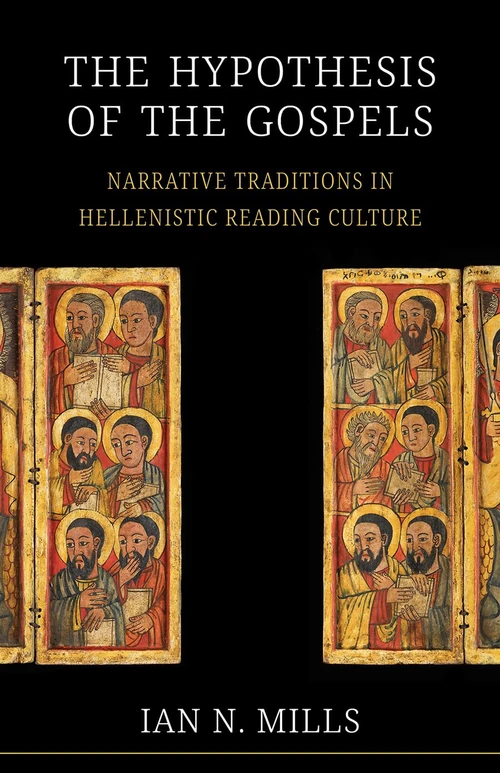
The Hypothesis of the Gospels
Narrative Traditions in Hellenistic Reading Culture
- Biblical Studies & Commentaries
- Publisher: Fortress Press (Augsburg Fortress)
- Published: 2025
FritzSearch.com earns a commission on purchases made through Bookshop.org links.
Publisher's Description
The gospels were not the only books in antiquity to retell the same story. Ancient readers had their own language for describing works that retread the same narrative ground. Different versions of a story were imagined as sharing a narrative core, called a hypothesis. Early Christian readers adopted this conceptual model in order to describe gospel literature, legitimize its pluriformity, and limit its diversity. Even before the term hypothesis appeared explicitly, however, readers imagined gospels in roughly the same way. Christians did not radically reimagine the literary character of gospels at the end of the second century, when hypothesis language first appeared. Rather, the components of this model are already present in the earliest evidence for the reception of gospels. The standard model for thinking about pluriform narrative traditions in Hellenistic literary culture shaped the production and interpretation of gospel literature from the very beginning.
Endorsements (5)
“Praise for The Hypothesis of the Gospels How can there be one gospel and yet four Gospels? As Ian N. Mills demonstrates in this engaging survey of the ancient evidence, both Christian and non-Christian, early Christians reacted to the plurality of the Gospels using the intellectual resources available to them. Mills focuses on the ancient literary concept of a hypothesis, which straddles the space between story and subject matter, and provocatively claims that gospel literature was to be perceived as competitive. Wide-ranging, thoroughly researched, and utterly up-to-date, The Hypothesis of the Gospels is a stimulating entry into the world of ancient gospel production within their Jewish, Greek, and Roman contexts, suitable for students and teachers alike.”
“You can read hundreds of books on the Gospels and find little new and nothing groundbreaking. This book is groundbreaking. In a learned, broad-ranging, and compelling study, Mills uncovers the earliest understanding of the Gospels that is, remarkably, unknown to the scholarly world at large.”
“Mills’s hypothesis about gospel multiplicity is compelling and innovative. This book is as engaging and fun to read as it is learned and thorough. It reframes how we ought to think about the Gospels’ relationships to one another, continuing the work of situating Jesus traditions within Hellenistic book culture.”
“scholarship today.”
“The Hypothesis of the Gospels presents a case so compelling that it will leave readers wondering how they have never seen this before. Ian Mills writes with clarity and force, calmly laying out an argument that is destined to make a major impact on the field. Compulsory reading for scholars and students of Christian origins.”
See something wrong on this page? Report a problem