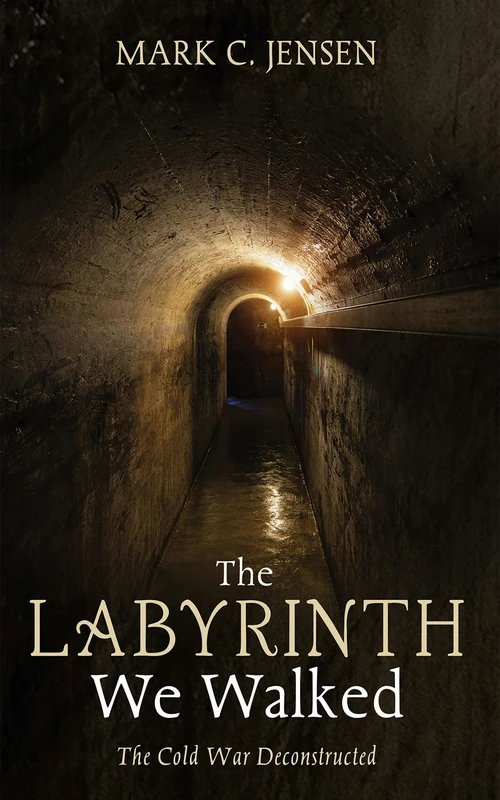
The Labyrinth We Walked
The Cold War Deconstructed
- Publisher: Resource Publications (Wipf and Stock)
- Published: 2024
FritzSearch.com earns a commission on purchases made through Bookshop.org links.
Publisher's Description
Why did the fall of the Berlin Wall, and then the Soviet Union, come as such great surprises? Could the tragedies of the Vietnam War have been avoided? How did the US and USSR manage not to use nuclear weapons they had built at such great cost? The Cold War dominated world affairs for nearly half a century, but its sheer scope and complexity make it difficult to address some of its most compelling mysteries. We are also burdened by partial information, selective memory, and underappreciated prior history. By focusing on selected issues, and with the benefit of more recent work, the essays of The Labyrinth We Walked seek to provide new insights and encourage readers to see the period with fresh perspectives.
Endorsements (2)
“A timely and insightful look at the politics and culture of the twentieth century. In these lucidly written essays, Mark Jensen leads us back into the ‘labyrinth’ of the past century. I recommend Jensen’s book to everyone: the college student who will soon take on the decisions and responsibilities of the twenty-first century, the history buff who wants a fresh and unorthodox look at the Cold War era, the professional historian who will discover new facts and interpretations, and the general reader who just wants to spend time in the company of an erudite companion.”
“In each of these well-researched and well-written chapters, Mark Jensen gives us a set of images, analyses, and stories about facets of the Cold War era: Western colonialism and the war in Vietnam, the varied responses to nuclear weaponry, the unfinished work of civil rights in the U.S., and above all, the ideological and literal clash between capitalism and communism. From these chapters we take away a better understanding of what we've made of our world, for good and for ill, since the end of World War II.”
See something wrong on this page? Report a problem