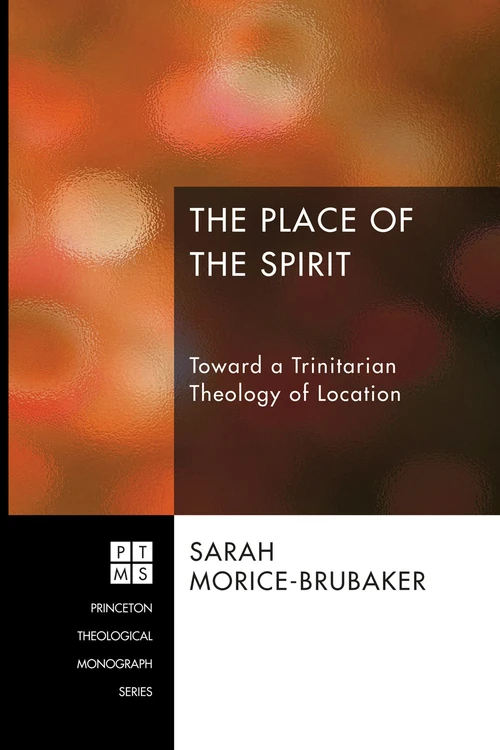
The Place of the Spirit
Toward a Trinitarian Theology of Location
- Theology
- Publisher: Pickwick Publications (Wipf and Stock)
- Published: 2013
FritzSearch.com earns a commission on purchases made through Bookshop.org links.
Publisher's Description
Is there any way to talk theologically about the Trinity and place? What might the "placedness" of creation have to do with God's triunity? In The Place of the Spirit, Sarah Morice-Brubaker considers how anxieties about place have influenced Trinitarian theology--both what it is asked to do and the language in which it is expressed. When one is nervous about collapsing God into created horizons, she suggests, one is apt to come up with a model of trinity that refuses place. Distance becomes a primary way of situating the divine persons in relation to each other. Conversely, those theologians who wish to avoid a too-remote God likewise recruit Trinitarian language to suit that purpose. They, too, give that language a placial gloss, expressing triunity in terms of coinherence and mutual indwelling. And yet, suggests Morice-Brubaker, the question, "What is place, and how can one talk about God and place?" is underdetermined within much contemporary Trinitarian thought. Thankfully, this question has received full-on attention in other areas of ethics, philosophy, and systematic theology. This book calls for Trinitarian thought to avail itself of those insights and offers some ways in which it may do so.
Endorsements (3)
“Sarah Morice-Brubaker draws unexpected insights from patristic theologians and brilliantly examines Marion and Moltmann en route to a conceptually powerful and gracefully written Trinitarian theology of place. This is contemporary theology at its very best: imaginative, bold, and on the cutting edge, yet also rigorous, thoughtful, and grounded in tradition.”
“Sarah Morice-Brubaker enters the current conversation about place and asks where God is in all of this. Her brilliant work explicitly intertwines philosophy, theology, and theory; the related ethical issues shimmer on the page. Morice-Brubaker offers a stunning analysis of different conceptions of place and their epistemological implications, while constructing the sturdy theological argument that God places us. After reading this book, I find myself thinking differently about location, the Trinity, and thinking itself.”
See something wrong on this page? Report a problem