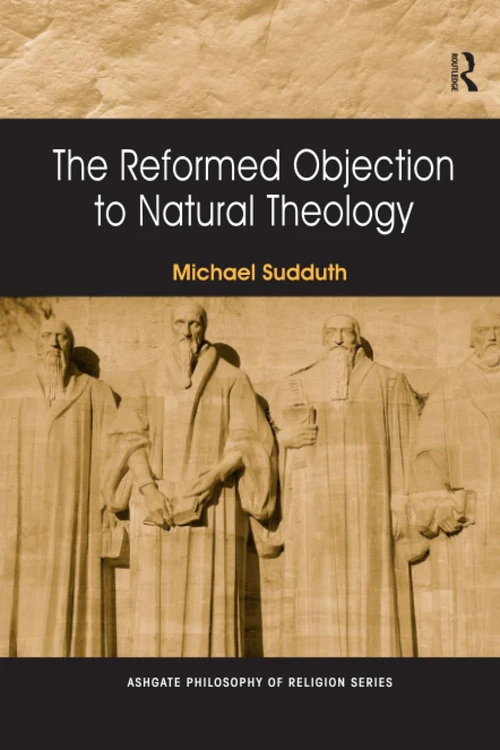
The Reformed Objection to Natural Theology
- Theology
- Publisher: Routledge
- Published: 2016
FritzSearch.com earns a commission on purchases made through Bookshop.org links.
Publisher's Description
Michael Sudduth examines three prominent objections to natural theology that have emerged in the Reformed streams of the Protestant theological tradition: objections from the immediacy of our knowledge of God, the noetic effects of sin, and the logic of theistic arguments. Distinguishing between the project of natural theology and particular models of natural theology, Sudduth argues that none of the main Reformed objections is successful as an objection to the project of natural theology itself. One particular model of natural theology - the dogmatic model - is best suited to handle Reformed concerns over natural theology. According to this model, rational theistic arguments represent the reflective reconstruction of the natural knowledge of God by the Christian in the context of dogmatic theology. Informed by both contemporary religious epistemology and the history of Protestant philosophical theology, Sudduth’'s examination illuminates the complex nature of the project of natural theology and its place in the Reformed tradition.
Endorsements (3)
“This book is essential reading for students of the theology of the Protestant Reformed tradition, and very valuable reading for all who wonder whether producing arguments for the existence of God is a proper Christian activity. Michael Sudduth shows that, contrary to the claims of Karl Barth and some contemporary advocates of 'Reformed epistemology', the Reformed tradition has from its first days generally endorsed Natural theology. He goes on to show the failure of philosophical objections to the possibility of cumulative arguments for the existence of God.”
“This is an informed, erudite and important contribution to contemporary debates about natural theology, especially within the American Reformed community.”
“An absolutely terrific book. It combines philosophical excellence--subtlety, depth, acumen, rigor--with extensive and deep historical learning.”
See something wrong on this page? Report a problem