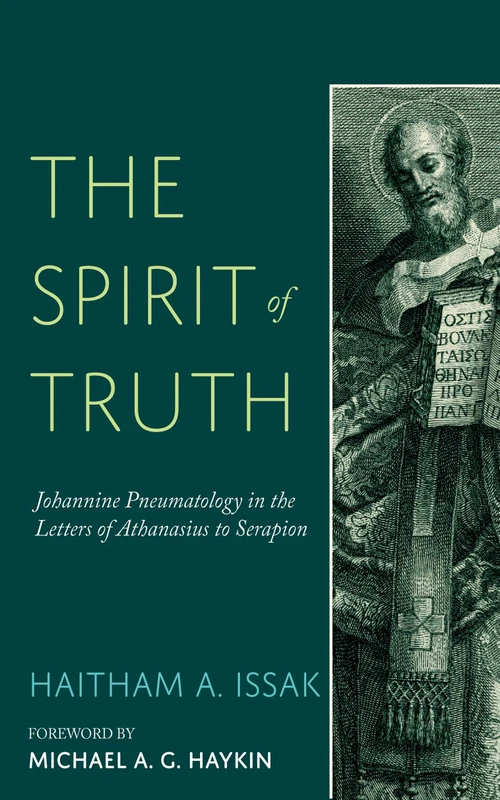
The Spirit of Truth
Johannine Pneumatology in the Letters of Athanasius to Serapion
- Theology
- Publisher: Pickwick Publications (Wipf and Stock)
- Published: 2023
FritzSearch.com earns a commission on purchases made through Bookshop.org links.
Publisher's Description
The fourth century was different than the previous centuries due to two big heresies. The first one was the heresy of Arius, who denied the divinity of the Son. This heresy led to the Council of Nicaea in 325 in which the church fathers affirmed the divinity of the Son of one substance with the Father. The second heresy was that of the Tropici, who denied the divinity of the Holy Spirit and said that the Holy Spirit was a creature or an angel. At that time, Athanasius was one of the most important leaders in the life of the church. He wrote against the Tropici, as he addressed them in his letters to Serapion. These letters are the major work of Athanasius concerning the Holy Spirit. The Spirit of Truth explains the way that Athanasius dealt with the heresy and elucidates the pneumatology of Athanasius's use of the Gospel of John and 1 John. It also discusses Athanasius's understanding of tradition, Scripture, and hermeneutical principles in his defense of the Godhead, particularly the divinity of the Holy Spirit. For Athanasius, the Holy Spirit is eternal, divine, uncreated, and one with the Father and the Son.
Endorsements (2)
Foreword
“Athanasius is usually remembered for the key role that he played in the defense of the deity of Christ during the so-called Arian Controversy. But his small work on the divinity of the Holy Spirit is also eminently worthy of examination, as this new study demonstrates. Haitham Issak shows beyond a shadow of doubt that at the heart of the Alexandrian bishop’s pneumatology was scriptural exegesis.”
“Haitham Issak has done the indispensable but difficult work of identifying Athanasius’s usage of Johannine writings in his response to Serapion’s questions regarding the deity of the Holy Spirit. He also provides a helpful framework for further theological and historical analysis of Athanasius’s pneumatology.”
See something wrong on this page? Report a problem