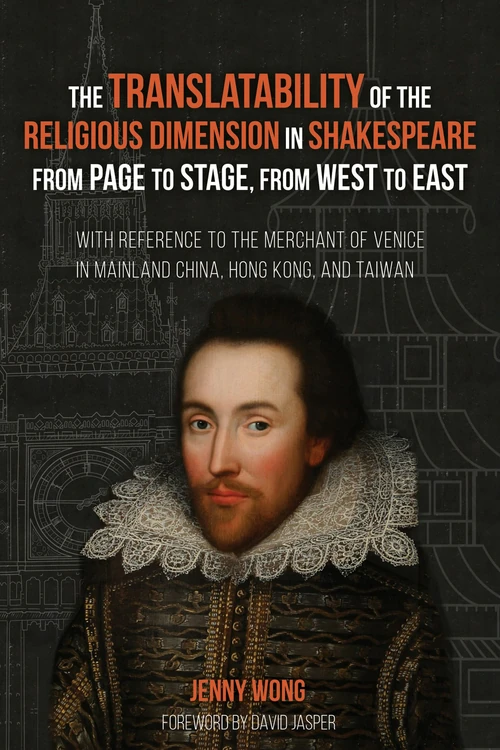
The Translatability of the Religious Dimension in Shakespeare from Page to Stage, from West to East
With Reference to The Merchant of Venice in Mainland China, Hong Kong, and Taiwan
- Arts & Literature
- Publisher: Pickwick Publications (Wipf and Stock)
- Published: 2018
FritzSearch.com earns a commission on purchases made through Bookshop.org links.
Publisher's Description
This interdisciplinary study traverses the disciplines of translation studies, hermeneutics, theater studies, and sociology. Under the "power turn" or "political turn" in translation studies, the omission and untranslatability of religious material are often seen as the product of censorship or self-censorship. But the theology of each individual translating agent is often neglected as a contributing factor to such untranslatability. This book comprehensively traces the hermeneutical process of the translators as readers, and the situational process and semiotics of theater translation. Together these factors contribute to an image of translated literature that in turn influences the literature's reception. While translation theorists influenced by the current "sociological turn" view social factors as determining translation activities and strategies, this volume argues that the translator's or the dramatist's theology and religious values interact with the socio-cultural milieu to carve out a unique drama production. Often it is the religious values of the translating agents that determine the product, rather than social factors. Further, the translatability of religious discourse should be understood in a broader sense according to the seven dimensions proposed by Ninian Smart, rather than merely focusing on untranslatability as a result of semantic and linguistic differences.
Endorsements (3)
“Few people have understood the human heart so well as Shakespeare. He understood our volatile frailty, that mixture of the comic and the tragic which elicits the greatest human acts. This is a brilliant, innovative study of intercultural stagecraft and the performability of such intimations of humanity. I cannot commend it too highly.”
“Taking Shakespeare in the Chinese context as an example, Jenny Wong's book eloquently argues that the omission or repression of religious terms and allusions in literary translation has more to do with difficulties in social, political, and cultural backgrounds than the usually empty talk about linguistic or conceptual untranslatability. This book makes a significant contribution to translation studies and comparative literature. It is a useful book for anyone interested in global Shakespeare, comparative study of religion and literature, and translation and world literature.”
See something wrong on this page? Report a problem