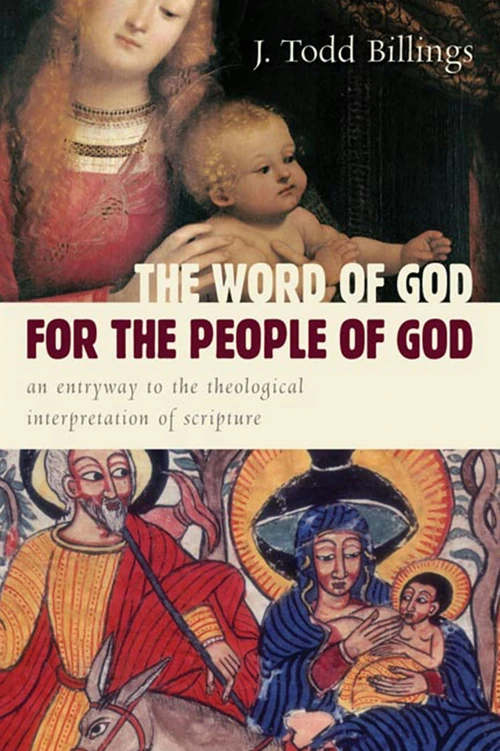
The Word of God for the People of God
An Entryway to the Theological Interpretation of Scripture
- Biblical Studies & Commentaries
- Publisher: Eerdmans
- Published: 2010
FritzSearch.com earns a commission on purchases made through Bookshop.org links.
Publisher's Description
This book fills a real need for pastors and students. Though there is currently a large body of material on the theological interpretation of Scripture, most of it is highly specific and extremely technical. J. Todd Billings here provides a straightforward entryway for students and pastors to understand why theological interpretation matters and how it can be done. / A solid, constructive theological work, The Word of God for the People of God presents a distinctive Trinitarian, participatory approach toward reading Scripture as the church. Billings's accessible yet substantial argument for a theological hermeneutic is rooted in a historic vision of the practice of scriptural interpretation even as it engages a wide range of contemporary issues and includes several exegetical examples that apply to concrete Christian ministry situations.
Endorsements (5)
“This roadmap through the field of theological interpretation of Scripture is a feast for the mind — and for the edification of the church.”
“Billings is a sure-footed, reliable, and winsome guide to the general issues involved in theological interpretation.”
“This is good work! I found myself saying 'Amen!' repeatedly as I read through the text. This wise and timely book will guide preachers and worship leaders in the service of the Word for the life and mission of the church.”
“Simply marvelous. . . A major book, The Word of God for the People of God covers a wide range of themes — and covers all of them well.”
“In The Word of God for the People of God Todd Billings gets to the core of the issues and states them with great clarity and firmness of line.”
See something wrong on this page? Report a problem