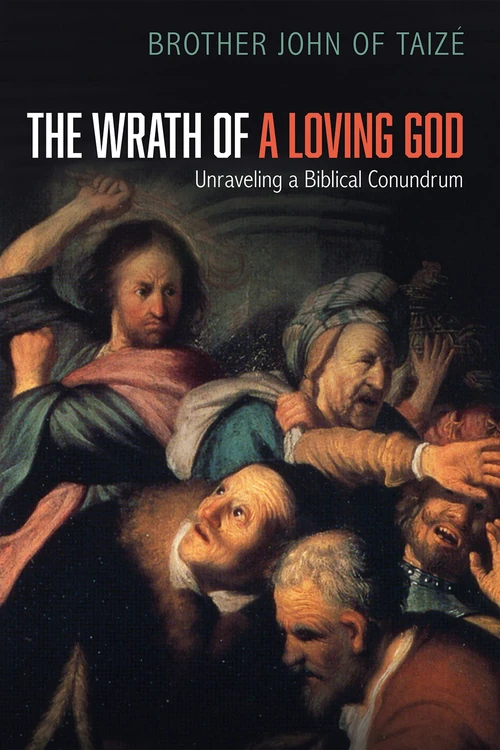
The Wrath of a Loving God
Unraveling a Biblical Conundrum
- Theology
- Publisher: Cascade Books (Wipf and Stock)
- Published: 2019
FritzSearch.com earns a commission on purchases made through Bookshop.org links.
Publisher's Description
The portrait of an angry God, quick to condemn, that many people claim to find in the pages of the Bible is undoubtedly one of the greatest obstacles to faith. The modern tendency to efface all traces of anger from our image of God is therefore comprehensible. But might this procedure not risk mutilating the authentic character of the biblical God? Could the theme of divine wrath, properly understood, rather than being a primitive vestige or an aberration, perhaps offer a key to understanding a love "as fierce as death," an approach to the mystery of our redemption in Christ? That is the challenge that this book attempts to take up.
Endorsements (3)
“In giving a new starting point on interpreting God’s anger in the Bible, this book shows a bigger play is at stake: authentic existence for humankind. God is the God of life; his anger is his refusal to see darkness and evil consume his creation. In Jesus, everything finds liberation. Sharing company with figures like Julian of Norwich and Richard Rohr, this book is a testimony that all God can do is love ‘as fierce as death.’ So, the theme of divine wrath, properly understood, rather than being primitive or an aberration, offers a key to understanding the mystery of our redemption in Jesus Christ.”
“In this insightful, nuanced, and readable study, Brother John takes the biblical perspectives on God’s anger and wrath with utmost seriousness. But he persuasively shows that divine anger and wrath express God’s love, compassion, and sorrow at humanity’s rejection of God’s life-giving ways. Culminating in Jesus, God’s ‘no’ to humanity’s ‘no’ to God is actually God’s ‘yes’ to us! This is an important book, on a critical topic, by an extraordinary interpreter of Scripture and Christian theology.”
“Brother John willingly enters in where angels fear to tread, especially fallen angels. He explores some of the most difficult passages of both the Old and New Testament, paying careful attention to both the texts and their contexts, so that in the midst of texts of terror the love of God does not disappear.”
See something wrong on this page? Report a problem