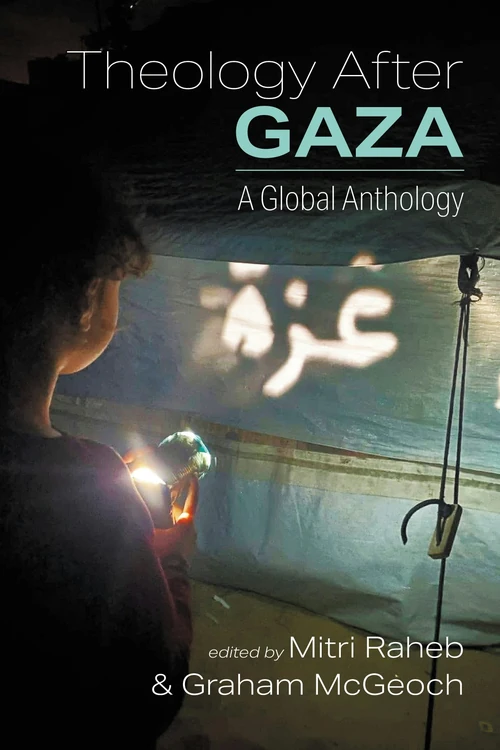
Theology After Gaza
A Global Anthology
- Ethics, Culture & Social Issues
- Publisher: Cascade Books (Wipf and Stock)
- Published: 2025
FritzSearch.com earns a commission on purchases made through Bookshop.org links.
Publisher's Description
This is a book about genocide and Gaza. Gaza has become the moral compass of our world today. In this war, theology was weaponized against the Palestinian people by both Israeli politicians and Christian Zionists. It is a book inspired by Palestinian liberation theologies. The book foregrounds scholarly and practical responses to the Israeli invasion of a part of the occupied Palestinian territories widely referred to as Gaza in the media and popular discourse. However, the book also situates Gaza and Palestine in the longue duree of settler colonialism, colonialities of power, and the underside of modernity. Theology After Gaza: A Global Anthology is fruit of the urgency of the time. Inspired by Palestinian liberation theologies, it articulates some of the "death of God," and the moral and ethical outrage familiar to those versed in Western Christianity and theology. It also explores Gaza as an exteriority--an exteriority to Western Christianity and theology, to the international system, and as a counter witness to Zionism. This anthology is the first-of-its-kind, timely, and relevant contribution that tackles a relevant issue of global importance with well-known authors and prolific writers, including Jewish and Muslim scholars.
Endorsements (5)
“When human beings, leaders—supported by world leaders—become killers of other human beings, children of God, we need a new theology to understand, to continue believing and hoping in God, good, almighty, and loving all his children. I thank Pastor Mitri for his work, thought, and prayer.”
“What liberative message can be uttered in the aftermath of the settler colonialism, genocide, and a raging war inflicted upon the people of Gaza? With thousands killed and wounded, and with the utter destruction of the infrastructure, what can theology say, what can it even offer? Raheb and McGeoch gathered Palestinians and allies to wrestle with these questions. Thanks to their deliberations, we can begin to get a better handle on what theology can look like after Gaza.”
“Now more than ever is there a need for a revivified liberation theology in the wake of the Gaza genocide. This book offers a crucial antidote to the dehumanization and decontextualization of the Palestinians and of faith more broadly. It illuminates and enlightens in the face of unconscionable depravity.”
See something wrong on this page? Report a problem