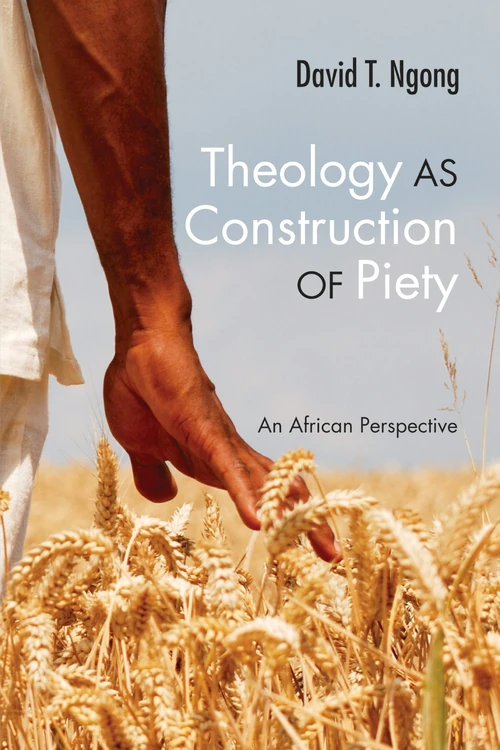
Theology as Construction of Piety
An African Perspective
- Theology
- Publisher: Resource Publications (Wipf and Stock)
- Published: 2013
FritzSearch.com earns a commission on purchases made through Bookshop.org links.
Publisher's Description
This book argues that a primary purpose of theological discourses is to construct piety or spirituality. If this is the case, theologians need to constantly inquire into the kind of piety or spirituality which their work may construct. Drawing from some important moments in the development of Christian theology, such as the development of the Christian doctrine of God in the early church, the role of material things in the Christianity of medieval Europe, some elements of contemporary postliberal theology, and the theology of inculturation in Africa, the book argues that theological discourses that appear to be orthodox and innocuous may actually construct forms of piety that may diminish human flourishing. The book therefore calls for an ethics of theology intended to ensure that the theologies we construct help in developing a piety that is conducive to human flourishing in the modern world, especially for Africans, who have suffered and continue to suffer unspeakable dehumanization. The book proposes that a theology that may contribute to the flourishing of Africans in the modern world is one that constructs an interdisciplinary spirituality that takes both the spiritual and the scientific seriously.
Endorsements (2)
“This is a refreshing, readable, and 'a must read' theological perspective constructed in dialogue with a fascinating cast of theological and ethical voices of our time.”
“In Theology as Construction of Piety Ngong presents a fascinating book that interrogates and complements African inculturation and liberation theologies. By opting for the 'ethics of theology' Ngong puts his finger on the 'more' that is required of African theologies and describes the 'future' of Christian theology in the continent of Africa. . . . This scientific approach is consonant with the unique Christian narrative and the flexible indigenous African world-vision.”
See something wrong on this page? Report a problem