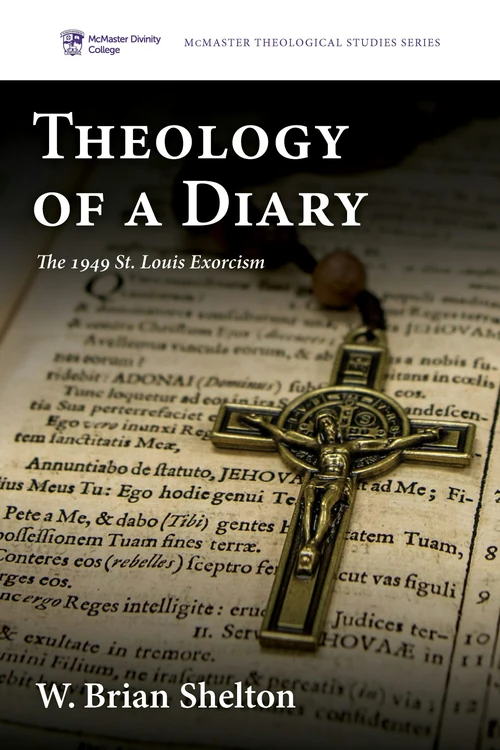
Theology of a Diary
The 1949 St. Louis Exorcism
- Theology
- History & Biography
- Publisher: Pickwick Publications (Wipf and Stock)
- Published: 2025
FritzSearch.com earns a commission on purchases made through Bookshop.org links.
Publisher's Description
The best documented case of exorcism in the twentieth century receives a theological assessment in this historical account of the 1949 St. Louis exorcism. As the story behind the popular 1973 film The Exorcist, the case invites an examination of a diary kept by one exorcist through the trial of pastoring a thirteen-year-old demonized boy. In an ordeal that began in Georgetown before ending at the hands of Saint Louis University Jesuit priests, three months of daily recorded struggle, angst, graphic hostility, pastoral intervention, and the reading of the rite of exorcism provide a fascinating story to grapple with the nature and possibility of demons. Drawing from the diary, the testimony of witnesses, newspaper editorials, and scholarly evaluations over the years, this book analyzes the nature of the demonization, the rite, and the exorcism as it is recorded there. Without overreaching, it confronts the diary to make a bold proposition: if its theology proves credible, then the historical integrity of the case is stronger, and the church would have a credible, documented case of real demonization.
Endorsements (2)
“Respectful to the range of Christian theological tradition, Shelton probes both the historical likelihood of details of and theological explanations for the famous 1949 exorcism of ‘Robbie.’ A fascinating exploration of a fascinating incident in history and its theological and practical implications, it kept my rapt attention.”
“Dr. Shelton’s book is a truly novel examination of the events of the 1949 ‘St. Louis exorcism’ through the study of a diary of the events maintained by one of the priests who participated in the exorcism. Shelton’s interest is in the ‘theological understanding’ of the priests’ observations of the events of the exorcism, and he artfully melds history, philosophy, and theology in his study.”
See something wrong on this page? Report a problem