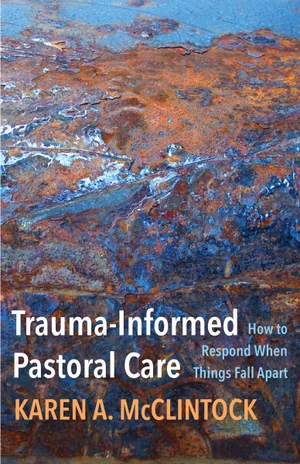
Trauma-Informed Pastoral Care
How to Respond When Things Fall Apart
- Counseling, Grief & Mental Health
- Publisher: Fortress Press (Augsburg Fortress)
- Published: 2022
FritzSearch.com earns a commission on purchases made through Bookshop.org links.
Publisher's Description
Clergy are more likely than ever to be called on to respond to community trauma, sitting alongside trauma survivors after natural disasters, racial violence, and difficult losses. In Trauma-Informed Pastoral Care: How to Respond When Things Fall Apart, pastoral psychologist Karen A. McClintock calls clergy to learn and practice "trauma-informed care" so they can respond with competence and confidence when life becomes overwhelming. Weaving together the latest insights about trauma-informed care from the rapidly shifting disciplines of neuropsychology, counseling, and theology, she explains the body's instinctual stress patterns during and after trauma, guides readers through self-reflection and self-regulation in order to care for others and lower the risk of obtaining secondary trauma, and suggests culturally sensitive models for healing from overwhelming experiences. McClintock particularly attends to the fact that across a lifetime in ministry, clergy accumulate and need to regularly heal multiple traumatic wounds. As a pastor and psychologist, she is perfectly positioned to help clergy recognize symptoms of trauma and commit to healing individual, community, and generational trauma with care and cultural sensitivity.
Endorsements (1)
“In Trauma-Informed Pastoral Care: How to Respond When Things Fall Apart, Karen McClintock offers an in-depth look through the lens of trauma at current events, including the Covid-19 pandemic, natural disasters, racism, and sexual abuse. She reminds us that experienced trauma is about what happens inside us as a result of what happens to us. Certainly in the church, we have an obligation to offer healing. We also have much to learn as a society to become trauma informed and to always reflect compassion in our response. This is essential reading for anyone interested in understanding the impact of trauma in one’s life.”
See something wrong on this page? Report a problem