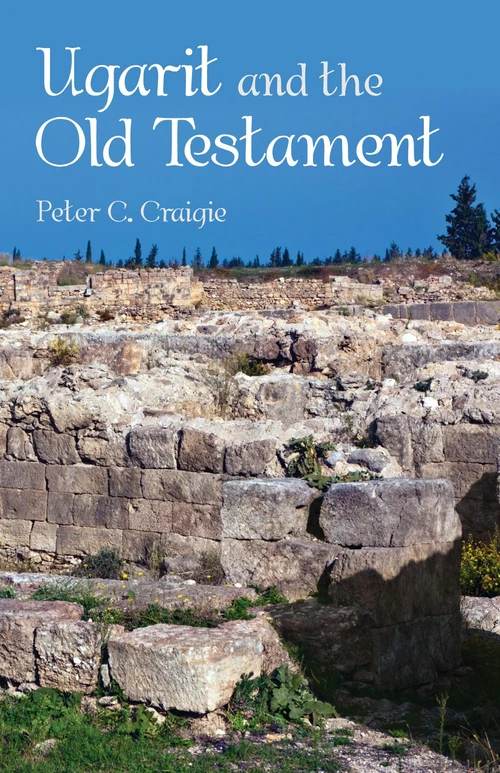
Ugarit and the Old Testament
- Biblical Studies & Commentaries
- Publisher: Wipf and Stock
- Published: 2019
FritzSearch.com earns a commission on purchases made through Bookshop.org links.
Publisher's Description
In 1929, a remarkable discovery was made by archaeologists at Ras Shamra in syria; beneath the soils of a small hill, they discovered the remains and libraries of the ancient city of Ugarit, which had been destroyed by barbarian invaders shortly after 1200BC. This book tells the story of that discovery and describes the life and civilization of the ancient city of Ugarit. In addition to updating the story with more recent archeological finds, this study recounts and assesses the extraordinary impact that the rediscovery has had on the last 50 years of the Old Testament studies. Written in a non-technical fashion, Ugarit and the Old Testament should be of interest to all readers of the Bible, particularly students and pastors concerned with the impact of contemporary archaeological discoveries on Old Testament studies.
Endorsements (4)
“An excellent introduction to Ugarit and its culture for the general reader. Craigie gives a fascinating account of the work undertaken at the site, including the deciphering of the language, and discusses the literature of Ugarit with reference to the Old Testament. A guide for further study completes this excellent survey, which I can recommend most highly.”
“A valuable work . . . carefully done, well balanced, and clearly written. Professor Craigie, rejecting the attitude that uses archaeology as a prop to support crumbling faith, correctly views such materials as background for better understanding of the Old Testament.”
“Brief, up-to-date, and competent. Clearly demonstrates how archeological discoveries and studies are making the Bible more understandable and meaningful for the modern reader.”
“A valuable resource on discoveries that have fascinated and challenged biblical scholars for over fifty years.”
See something wrong on this page? Report a problem