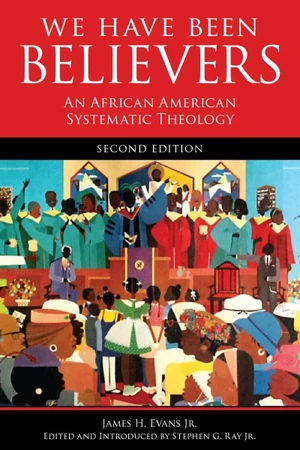
We Have Been Believers
An African American Systematic Theology, Second Edition
- Theology
- Publisher: Fortress Press (Augsburg Fortress)
- Published: 2012
FritzSearch.com earns a commission on purchases made through Bookshop.org links.
Publisher's Description
Seeking to overcome the chasm between church practice and theological reflection, James H. Evans Jr., a major and distinctive voice in American religion, situates theology squarely in the nexus of faith with freedom. There, with a sure touch, he uplifts revelatory aspects of black religious experience that reanimate classical areas of theology, and he creates a theology with a heart, soul, and voice that speak directly to our condition. Edited and introduced by Stephen G. Ray Jr., the second edition, published on the twentieth anniversary of the first, includes three new essays that identify the value of the book for womanist, evangelical, and black church audiences. The new edition concludes with an Afterword by the author himself.
Endorsements (3)
“In this second edition of James Evans's seminal work, the theology of the Black Church emerges as a unique, relevant, and dialogical response to the realities of this present age. The addition of new essays focused on the influence of womanist thought, the evangelical movement, and prophetic black church leadership will inspire another generation of believers in the academy and in the pews.”
“The importance of a classic, like James Evans's We Have Been Believers, is not that it is timeless but that it continues to speak to the present and to make contributions to it. In the midst of widespread theological accommodation to the powers that be, Evans blazes alternative trails that are still worth following not only in the black churches but in all churches, inviting us to take our own struggles for liberation and the divine as seriously as the African-American communities that have gone before us.”
“In this work, James Evans works out a critical and engaged systematic theology in the context of African American religious, cultural, historical, and social experience. This work stands as a vital and provocative gift to the whole of Christian theological reflection.”
See something wrong on this page? Report a problem