What Language Shall I Borrow?
The Bible and Christian Worship
- Preaching & Worship
- Publisher: Eerdmans
- Published: 2008
FritzSearch.com earns a commission on purchases made through Bookshop.org links.
Publisher's Description
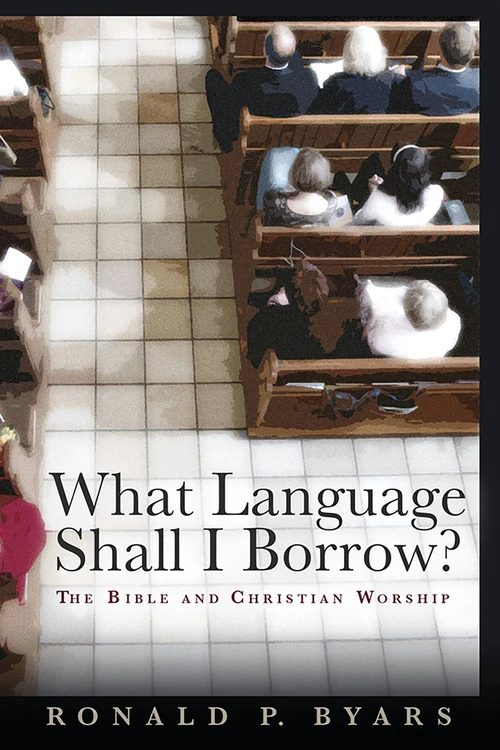
What language is most appropriate for worship? Should it lean toward the colloquial, perhaps targeting those attending a worship service for the first time? Or should it be a language with deeper roots, the language of a community that, for the most part, already loves the God to whom worship is offered? Ronald Byars argues that the communal speech that truly honors God is, in fact, biblical language, which encompasses a vast range of forms -- poetry and prose, song and proverb, parable and narrative. Byars explains how biblical language becomes liturgical language that pushes us beyond what we already think we know, requiring us to think anew about death and resurrection, beginnings and endings, and the life of faith. What Language Shall I Borrow? is an instructive, eloquent reminder not to retreat from biblical language and images but to fully embrace them in our worship today.
Endorsements (2)
“Christian worship soaked in the deep wells of Scripture can flow out to nourish believers in faith and life. Ron Byars's book shows us how this is done and what difference it makes. This important contribution in the retrieval of Christian worship is also an indispensable encouragement for pastors and worship leaders and all who wish to understand the drama of worship embedded in the Bible.”
“What Language Shall I Borrow? reminds me of Paul Tillich's insight that all faith language is symbolic: until we discover the affirmations of faith that lie behind specific words, we miss much of the power of language. In other words, the language of worship is always ‘borrowed language.' Ron Byars's careful work with the language of the Presbyterian Book of Common Worship takes readers behind the actual words used in worship into the gospel affirmations of those words. His book will be a valuable resource to students and leaders of worship who seek to build bridges between ancient words that communicate faith and the ever-present contemporary yearning to be grasped by those words.”
See something wrong on this page? Report a problem