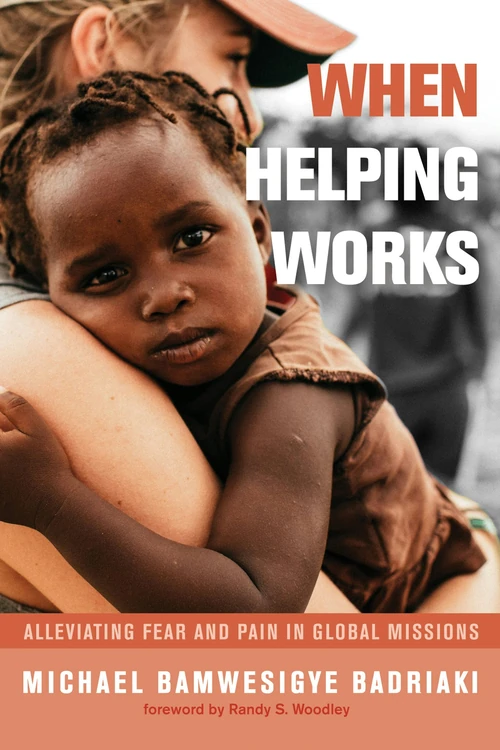
When Helping Works
Alleviating Fear and Pain in Global Missions
- Evangelism & Missions
- Publisher: Wipf and Stock
- Published: 2017
FritzSearch.com earns a commission on purchases made through Bookshop.org links.
Publisher's Description
Today, people from various parts of the world who are interested in helping fellow human beings impacted by famine, epidemics, wars, and poverty are uniquely positioned. They are interconnected due to globalization's impact, which also has implications for intercultural work and global missions. The ability to help people is a constructive asset, which calls for the need to build friendships and partnerships across the globe. Helping well depends on a number of factors, yet this book looks into the impact of stereotype threat and its effects on intercultural identities, the perceptions of others, and performance in intercultural missions. Human interactions continue to suffer due to fears, anxious reactions about confirming negative stereotypes about a person's identity, abilities, and effectiveness in global missions. Stereotype threat happens when caricatures and negative understandings about people's identities are invoked.
Endorsements (2)
Foreword
“With over twenty years of experience working in Africa, Asia, the UK, Haiti, and America, Michael Badriaki knows how to go deep into the areas vexing our own souls and consciences with a gentleness that perhaps only a person who has participated in both sides of Christian mission and international development work could accomplish.”
“Although When Helping Works addresses stereotype threats between America and Uganda, application will also be useful on a grassroots level. The American city has become reflective of global demography and mission workers must understand and appreciate those who live among them [in order] to be effective. Through the ethics of love and care, Badriaki insightfully presents practices that heal these cultural misunderstandings, thus promoting relational solidarity. It is a must-read for anyone who wishes to embrace the complexities of cross-cultural mission, both abroad and at home.”
See something wrong on this page? Report a problem