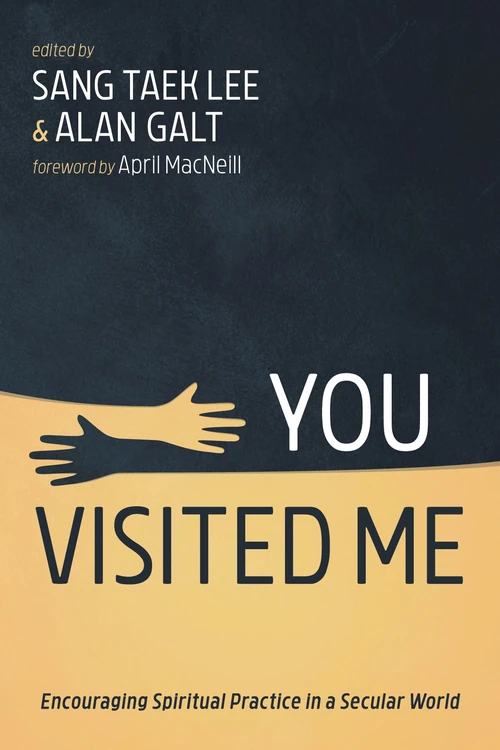
You Visited Me
Encouraging Spiritual Practice in a Secular World
- Church Leadership & Ministry
- Counseling, Grief & Mental Health
- Publisher: Wipf and Stock
- Published: 2021
FritzSearch.com earns a commission on purchases made through Bookshop.org links.
Publisher's Description
You Visited Me explores current work practices in pastoral care, supervision, and spirituality, and how one can experience a new type of ministry with the theory of CPE and its methods in a secular world. This book is divided into three sections: history, framework, and theology of clinical pastoral education; clinical pastoral education and spiritual practice in a secular world; and Anton Theophilus Boisen and clinical pastoral education from an apocalyptic aspect.
Endorsements (4)
“An important resource for chaplains, ministers, and pastoral carers, the essays collected in this volume provide the reader with a broad overview of the history, practice, and theological rationale of Clinical Pastoral Education (CPE) in the Australian context. Writing from a range of perspectives, the contributors offer helpful insights into the practical and theoretical learning experienced by CPE students and the value of that learning for the provision of spiritual care within a secular society.”
“CPE is today more than ever a central element in the formation and continuing development of those in ministry. It is also central to the evolution of new forms of ministry and service. Alan Galt and Sang Taek Lee, who are leaders in CPE, have brought together an outstanding group of contributors to provide up-to-date, practice-based, and theologically informed reflections on CPE. At the heart of effective CPE are collaboration and reflective practice. This book exemplifies both.”
“The efficacy of the methodology of Clinical Pastoral Education is already proven and well known. This book will deepen our understanding of this method and its relevance to different contexts. The authors address the challenges of the present moment in Australia and offer innovative ways to further develop the CPE model, all the while honoring its ecumenical and theological practice.”
See something wrong on this page? Report a problem