Andreas Pangritz
Biography
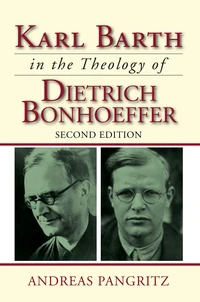
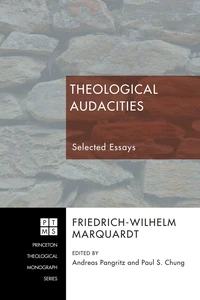
Andreas Pangritz wrote Karl Barth in the Theology of Dietrich Bonhoeffer and The Polyphony of Life, and co-edited Theological Audacities with Paul S. Chung.
Bios generated by automated processes. · Report a problem
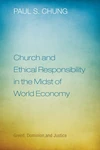
Church and Ethical Responsibility in the Midst of World Economy
Ethics, Culture & Social Issues
“In a situation characterized by global crisis and increasing injustice of the world economy, Chung analyzes the responsibility of the church in the development of modern capitalism. At the same time he describes critical potential within the biblical tradition to enable the church's protest against an unjust world economy. The book represents an important and well-informed contribution to a critique of global capitalism from the perspective of postcolonial theology and economic theory.”
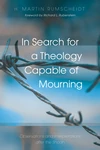
In Search for a Theology Capable of Mourning
Theology
“This is a moving book. Martin Rumscheidt confronts the challenges for Christian theology after the Shoah recognizing himself as a child of a perpetrator. Choosing an honest, personal approach and avoiding any abstractions he profoundly combs through major problems of contemporary theology. Everyone concerned about the troubles of Christianity after Auschwitz and in search for ‘a theology capable of mourning’ should read this book.”

History & Biography
“For a Protestant reader, it is fascinating to see how Alon Goshen-Gottstein examines the antisemitic motifs in the theology of the German reformer, Martin Luther. With a sharply analytical mind he develops his 'Luther model,' demonstrating symptomatically what can 'go wrong' in a religion. With impressive empathy and self-criticism, he derives spiritual insights from his analysis of great significance for peaceful interreligious coexistence. A deeply moving work with universal validity and great healing power.”

Theology
“Helmut Gollwitzer, close disciple of Karl Barth, was one of the most influential political theologians in Germany in the second half of the 20th century. Against the backdrop of the ongoing crisis of world economy, McMaken discovers Gollwitzer’s contextual theology, and especially his theological criticism of capitalism, as 'an instructive example of how the church might respond to the challenges' of the present situation. Perhaps, Gollwitzer’s socialist inclinations, based on the concept of 'love in structures,' are more current today than ever before—especially in the United States. In face of 'the unholy alliance between capitalism, religion, and patriotism' there, as McMaken puts it, the author’s view may elicit controversial discussions. However, these discussions are urgent, necessary, and not without hope, because—in Gollwitzer’s words—'the wholly other God wants a wholly other society.'”
NOTE: Only includes books currently in our catalog; not necessarily a complete list.

Theology
See something wrong on this page? Report a problem