David Basinger
Biography
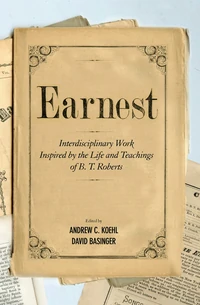
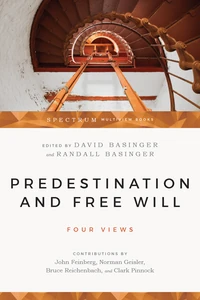
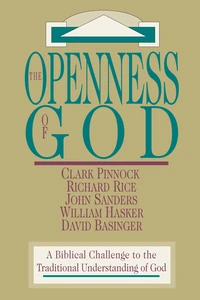
David Basinger co-wrote The Openness of God with others, and co-edited Predestination and Free Will with Randall Basinger.
Bios generated by automated processes. · Report a problem
Theology
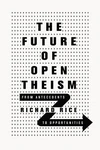
“Richard Rice offers a very accessible, evenhanded coming-of-age discussion of open theism—past, present, and future. Starting with an engaging account of its origins and fiery, unwelcomed entry into conservative Christian strongholds, Rice goes on to give an instructive overview of the important theological debates open theism has sparked in mainstream theological and philosophical circles. Finally, Rice points to interesting ways in which the basic tenets of open theism can contribute to a fuller, richer understanding of key theological concepts such as the Trinity, Christology, the church, and last things. A must-read for anyone who wants to understand why open theism continues to have so much appeal to thoughtful Christian laypeople looking for ways to reconcile their theological beliefs about God and the world with their lived experience.”
Philosophy
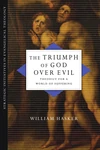
“This book is not simply a compilation of Hasker's earlier helpful work on the standard challenges to God's goodness allegedly posed by evil. Hasker here also offers us a thoughtful assessment of a number of recent challenges, especially those based on God's relationship with the natural order. I am especially impressed by his provocative analysis of evolution and its relationship to evil. And I feel that the type of ultimate triumph of good over evil Hasker outlines is one that rightly preserves a strong sense of divine sovereignty without diminishing our role and responsibility as humans.”
Arts & Literature
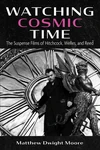
“Moore convincingly argues that cinema in the forties and fifties perpetuated the presumption that the universe is fundamentally orderly. He focuses engagingly on suspense films that incorporate clocks in a way that allows the audience to literally watch time as an emblem of an orderly universe. Moore’s overall purpose, though, is to encourage us to reflect on the role time plays in how we access, interpret, and respond to what we experience.”
NOTE: Only includes books currently in our catalog; not necessarily a complete list.
See something wrong on this page? Report a problem