David F. Wells
Biography
David F. Wells wrote No Place for Truth, God in the Wasteland, and Losing Our Virtue.
Bios generated by automated processes. · Report a problem
Theology
“Biblical, clear and cogent are the words that came to mind on first reading this book. The passing of time has also made it indisputable that this book is a classic, which is profound in a way that few evangelical books have been in recent years. It is compelling in its simplicity and comprehensive in its grasp of the way in which God conquers our sin, our rebellion, our ghastly evil through the person of Christ. Here is truth that is true, not just because it works for me but because it is grounded in the very being and character of God, revealed and authenticated by him, worked out in the very fabric of our history, and therefore it is truth for all time.”
Theology
“This is a well-crafted, faithfully biblical, meticulously worked out study of the deity of Christ that brings us from the Old Testament through the New Testament, and into the modern world. This is a superb study.”
Theology
“The glory of God, celebrated by angels, but often lost on the church today, is here restored to our vision. This is a serious engagement with biblical truth and it asks the reader to engage with it seriously, too. When we climb a mountain, we know that however long is the ascent, it is all made worthwhile by the view from the top. So it is here.”
Theology
“Because this book is thorough and reliable, fresh and full of insight, and its tone is pastoral and constructive, it is among the best treatments of this subject.”
History & Biography
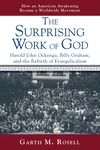
“The story of post-World War II evangelicalism, and of Harold Ockenga’s role in its reconstruction, is here told with an insider’s understanding, a historian’s eye for detail, and diligence in the use of original sources. Rosell has plowed fresh ground and has given us ways of looking at all of these events that are fresh, authentic, and helpful.”
Theology
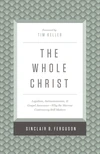
“This great book takes up the perennial issue of how grace and works relate to each other in our salvation. Ferguson begins with an old debate that took place in Scotland. He writes with deep knowledge and acute judgment, bringing clarity and insight to this issue and showing us the way out of our contemporary muddle.”
Church Leadership & Ministry
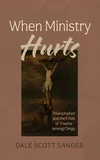
“As a leader of a fellowship of Pentecostal churches and ministers I found it worthwhile to engage the data and observations of Dale Sanger’s study of colleagues who have experienced deep hurt as part of their ministry experience. The interaction he provides between the results of the survey with phenomenology and practical theology provides a fresh way to ponder the experiences of others and to look at potential ways to broaden the supportive teaching and resources that are made available.”
NOTE: Only includes books currently in our catalog; not necessarily a complete list.
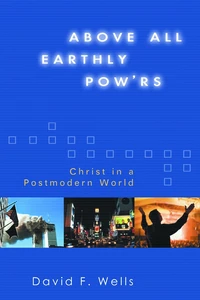
Ethics, Culture & Social Issues
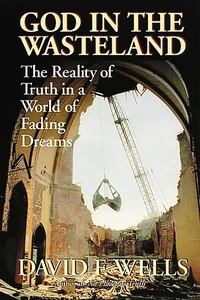
Ethics, Culture & Social Issues
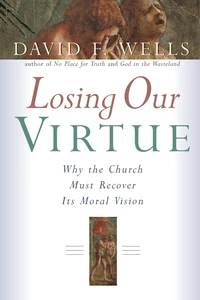
Ethics, Culture & Social Issues
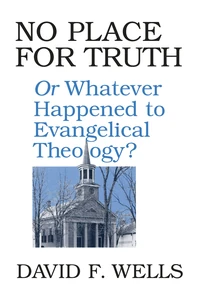
Theology
Theology
Theology
Theology
Theology
See something wrong on this page? Report a problem